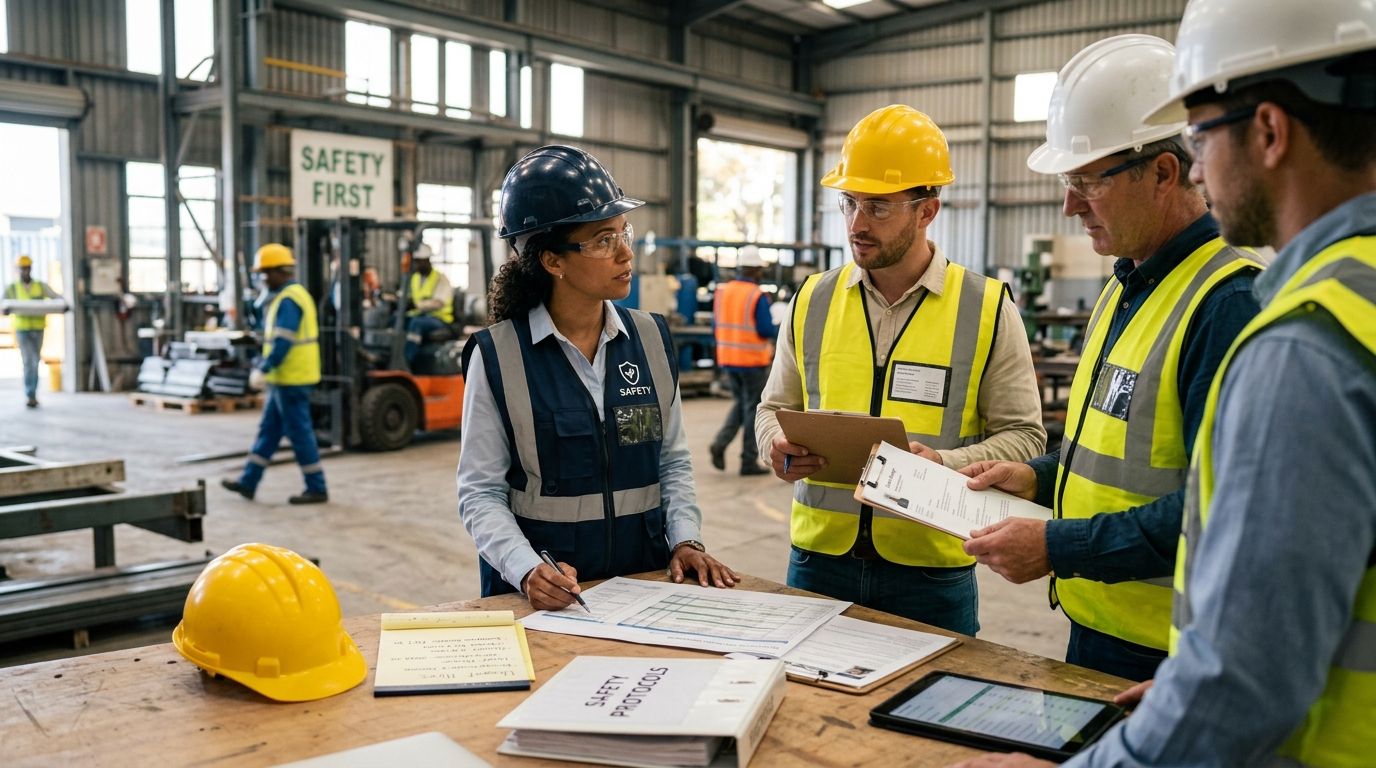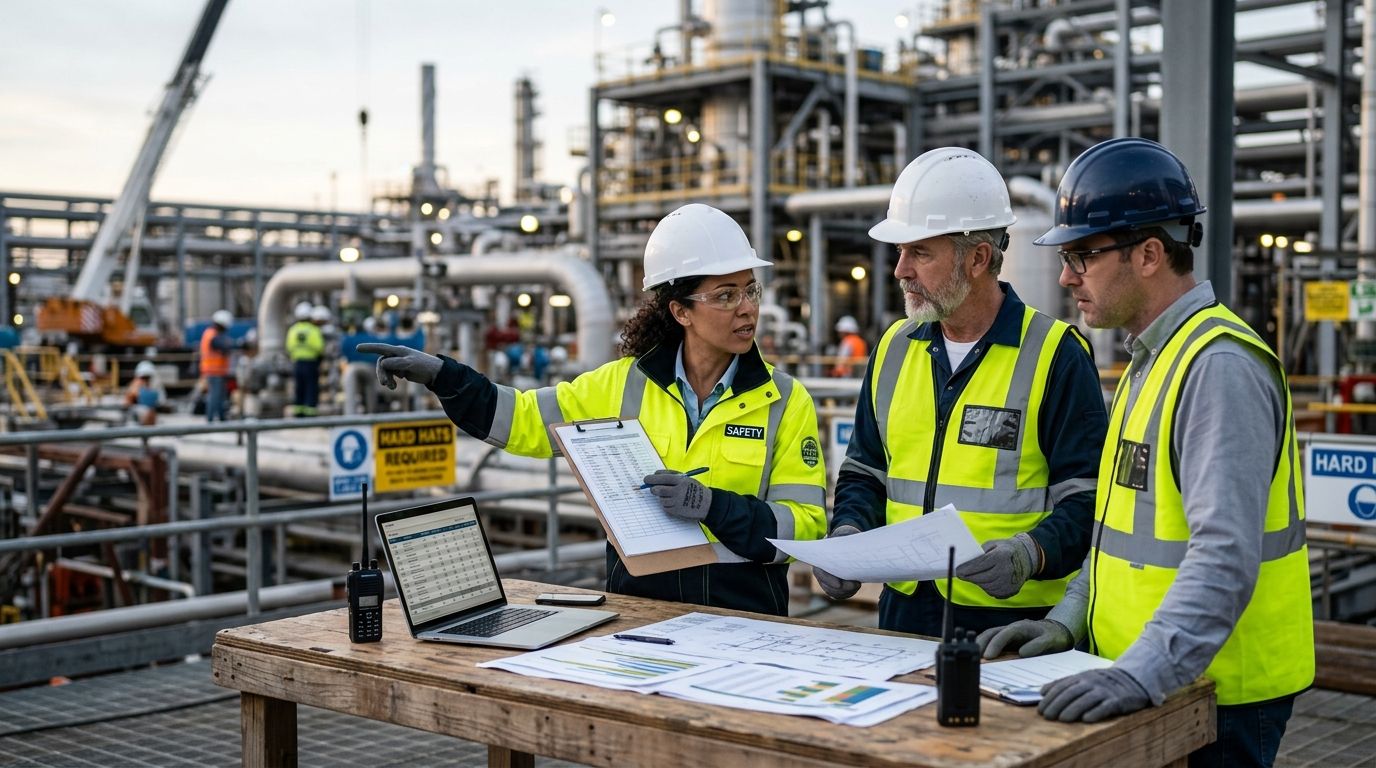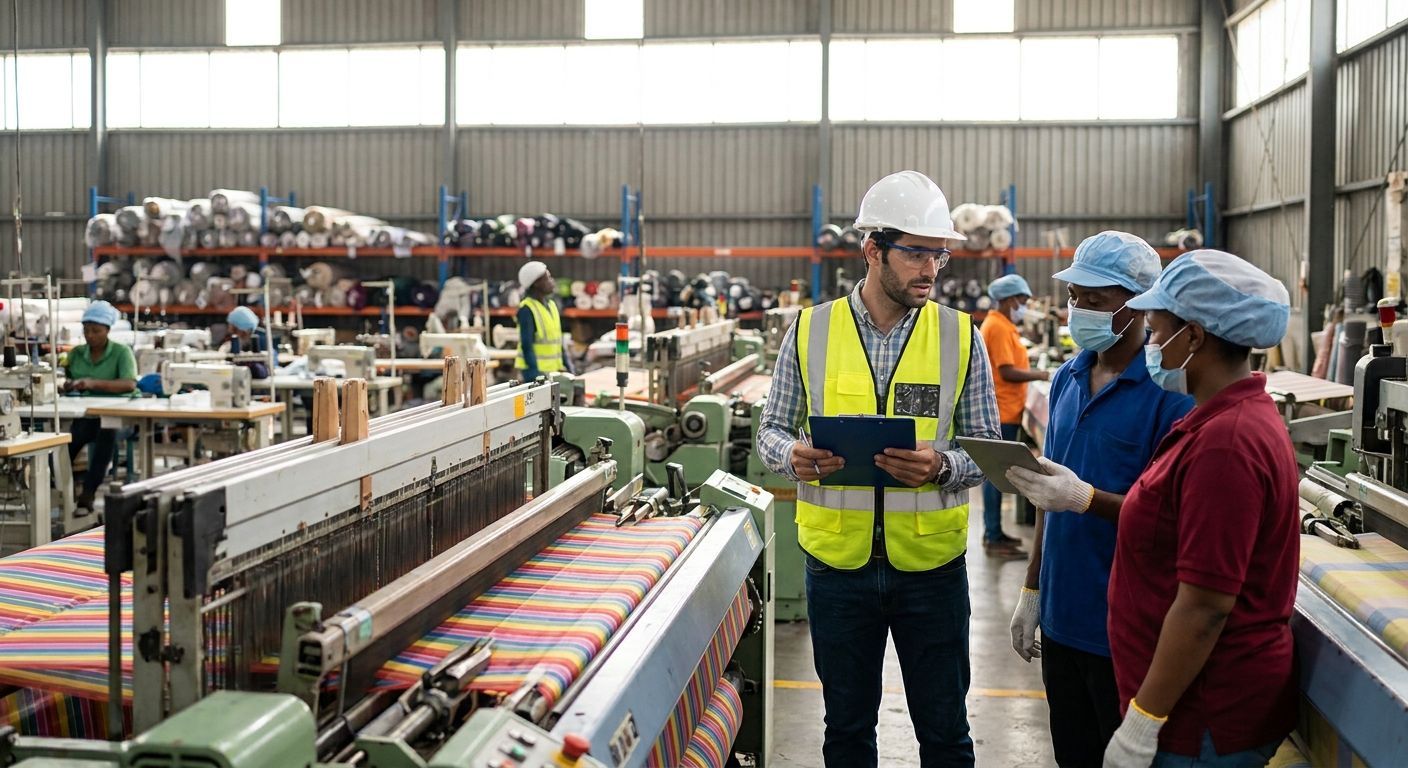
Textile and apparel manufacturing safety staffing means filling EHS roles — safety managers, industrial hygienists, fire watch attendants, ergonomics specialists — with professionals who already understand cotton dust exposure, combustible lint housekeeping, and the repetitive-motion injury patterns that show up on cut-and-sew lines. A fabric mill and a garment finishing plant don't need the same safety coverage a general warehouse needs, and staffing them like a warehouse is where most plants get burned.
- Safety staffing for textile manufacturing plants works best when the agency vets combustible dust and cotton dust certifications before submitting a resume.
- ResponsAble Staffing places EHS professionals for textile and apparel plants nationwide, temp, project-based, or direct hire.
- Bilingual safety staff reduce incident reporting delays on cut-and-sew lines where English isn't every operator's first language.
- Seasonal surge staffing needs a 60-90 day head start before Q4 production ramps, not a scramble once they hit.
Why safety staffing matters for textile and apparel plants
A fabric mill runs looms, carding machines, and dust collection systems that generate airborne cotton particulate regulated under 29 CFR 1910.1043. A garment plant runs sewing lines, pressing stations, and dye houses where lint accumulation is a combustible dust risk under NFPA 654. These are two different hazard profiles inside the same industry, and a safety staffing solution built for general manufacturing plants doesn't automatically translate to either one.
Plants that treat safety staffing as an afterthought pay for it in OSHA citations, workers' comp claims, and line downtime after an incident. Plants that staff ahead of the hazard — not after a near-miss — keep production moving in 2026 the way it moved in 2025, without a shutdown to explain to corporate.
How to build safety staffing for your textile plant
Map your plant's hazard profile before you post a job
A fabric mill, a dye house, and a cut-and-sew facility each carry different regulatory exposure. Know which one you're staffing for before you write the job description.
- List every process generating airborne particulate (carding, spinning, opening rooms)
- Flag combustible dust zones per NFPA 654 housekeeping requirements
- Identify chemical exposure points in dye, finishing, or flame-retardant treatment areas
- Note noise levels at each station against the 85 dBA action level
- Separate roles that need certification (industrial hygienist, fire watch) from roles that need experience only
Match certifications to combustible dust and cotton dust rules
General industrial safety experience doesn't cover lint housekeeping or cotton dust air sampling. Verify the specific credential before the interview, not after the hire.
- Confirm familiarity with 29 CFR 1910.1043 exposure monitoring protocols
- Ask for hands-on NFPA 654 combustible dust housekeeping experience, not classroom-only training
- Check for confined space and lockout/tagout (1910.147) competency on carding and spinning equipment
- Request references from a prior textile or fiber-processing placement, not just general manufacturing
- Verify current OSHA 30 or equivalent, plus any site-specific fire watch cards
This is where a general staffing vendor starts to fall short — most haven't screened for cotton dust or combustible lint experience because most of their placements never needed it. A fire watch staffing solution built for hot work permits is a faster path once you know the specific credential you need, rather than re-screening every resume that lands on your desk.
Build a bilingual-first hiring pipeline
Many cut-and-sew and finishing lines run with a workforce where English isn't the first language on the floor. Safety communication has to match that, or incident reports and toolbox talks lose the people they're meant to protect.
- Translate lockout/tagout and PPE procedures into the primary floor languages before onboarding
- Prioritize bilingual candidates for safety coordinator and floor supervisor roles
- Test comprehension, not just fluency, during the interview
- Pair a bilingual safety hire with existing supervisors during the first 30 days
Sourcing bilingual safety professionals for job sites narrows the search to candidates who've already worked a floor where Spanish, Vietnamese, or Haitian Creole was the dominant language, instead of hoping a general hire picks it up.
Plan staffing around seasonal production surges
Apparel and textile plants ramp hard ahead of back-to-school and holiday retail cycles. Safety coverage that was adequate at baseline headcount gets stretched thin the moment a plant adds a second shift for eight weeks.
- Forecast headcount by shift 90 days ahead of the surge, not 30
- Add temporary safety coordinators before the new hires start, not after the first incident
- Budget for overlap between departing seasonal staff and permanent EHS leadership
- Track incident rates during the last surge cycle to size this year's coverage
Write job descriptions that pull qualified EHS candidates
A generic "Safety Manager" posting attracts general manufacturing applicants who've never worked a carding room. Specificity in the posting filters for the right pool before the first phone screen.
- Name the specific standards the role owns (1910.1043, NFPA 654, 1910.95)
- List the equipment the hire will be responsible for (looms, cutting tables, dye vats)
- State shift pattern and surge expectations up front, not after an offer
- Include the incident reporting language required on the floor
Onboard temporary safety staff fast without cutting corners
A temp safety hire who starts on a Monday and doesn't know the plant's lockout points by Wednesday is a liability, not coverage. Fast onboarding still means a real orientation.
- Run a half-day floor walk before any solo shift
- Pair every new temp hire with a tenured operator for the first week
- Confirm PPE fit and certification copies before the first punch-in
- Document the plant's specific combustible dust housekeeping schedule on day one
Budget for night shift and 24/7 coverage
Dye houses and continuous-run finishing lines don't stop at 5 p.m. Safety coverage that only staffs day shift leaves the riskiest hours — overnight, understaffed — uncovered.
- Confirm whether current EHS staff actually cover night shift or just carry an on-call phone
- Price out a dedicated night-shift safety coordinator against the cost of an unwitnessed incident
- Rotate fire watch coverage separately from general safety coverage on 24/7 lines
Need safety staff for a textile plant now?
Temporary, project-based, or direct hire EHS professionals placed nationwide.
Comparing staffing options for textile and apparel plants
| Option | Best for | Key limitation |
|---|---|---|
| In-house recruiting | Plants with steady, predictable headcount | Slow to fill fire watch or short-notice surge roles |
| General staffing agency | Quick coverage for line labor | Rarely screens for cotton dust or combustible lint experience |
| Specialized EHS staffing agency (ResponsAble Staffing) | Plants needing certified safety pros fast, temp or direct hire | Smaller candidate pool than general labor agencies |
| Direct job board posting | Direct hire searches with lead time to spare | No pre-screening, high volume of unqualified applicants |
Verdict: a specialized EHS staffing agency wins for textile and apparel plants that need combustible dust and cotton dust experience matched fast, not learned on the job.
Common mistakes textile and apparel plants make
- Treating cotton dust exposure monitoring as a one-time compliance box instead of ongoing air sampling under 1910.1043
- Hiring general industrial safety staff with no lint or combustible dust housekeeping background (NFPA 654 gets missed)
- Skipping bilingual safety materials on lines where most operators don't read English as a first language
- Under-staffing ergonomics coverage on cut-and-sew and pressing stations, where repetitive-motion claims cluster hardest
- Starting seasonal safety recruiting after the production surge has already started, not 60-90 days before it
Repetitive motion injuries on pressing and sewing stations are common enough in this industry that a dedicated look at ergonomics specialist staffing pays for itself in reduced claims alone.
FAQ
What's the best safety staffing solution for textile manufacturing plants in 2026?
A specialized EHS staffing agency that screens for cotton dust exposure monitoring (1910.1043) and combustible lint housekeeping (NFPA 654) experience, not a general labor staffing vendor. In 2026, plants that skip this screening step see more repeat citations from the same hazard categories.
Is a specialized EHS staffing agency better than a general staffing agency for a fabric mill?
Yes, for roles tied to specific standards. A general agency fills headcount fast but rarely vets cotton dust or combustible dust certifications, which are the two hazards most specific to fabric mills.
How much lead time do you need to staff seasonal safety coverage for holiday production?
Plan 60 to 90 days ahead of the production ramp. Starting recruitment once the surge has already begun means safety coverage lags the headcount increase by weeks.
Do textile plants need cotton dust compliance staff year-round?
Yes, exposure monitoring under 1910.1043 is an ongoing requirement, not a seasonal one, even if production volume shifts. Air sampling schedules don't pause when headcount drops.
What certifications should a fire watch attendant have for a dye house?
A current fire watch card tied to hot work permit procedures, plus familiarity with combustible lint accumulation under NFPA 654. Dye house hot work near fabric and lint carries higher ignition risk than a standard warehouse.
How fast can a temporary safety manager start at an apparel plant?
Timelines depend on the specific role and certification requirements, but a specialized agency with a pre-vetted bench moves faster than posting cold and screening from scratch.
Are bilingual safety professionals necessary for cut-and-sew operations?
On lines where a majority of operators don't speak English as a first language, yes. Safety instructions and incident reporting only work if the workforce understands them without a translation delay.
Should ergonomics specialists be full-time or contract for a garment plant?
Contract or project-based coverage works for most plants unless repetitive-motion claims are already running high, in which case a full-time or direct-hire ergonomics specialist pays for itself faster.
One last thing
The hazard that gets missed most in textile and apparel plants isn't the loud one — it's combustible lint quietly accumulating in places nobody's assigned to sweep, because the safety hire on staff was screened for general manufacturing, not fiber processing. Fix the screening question before the next hire, not after the next incident.