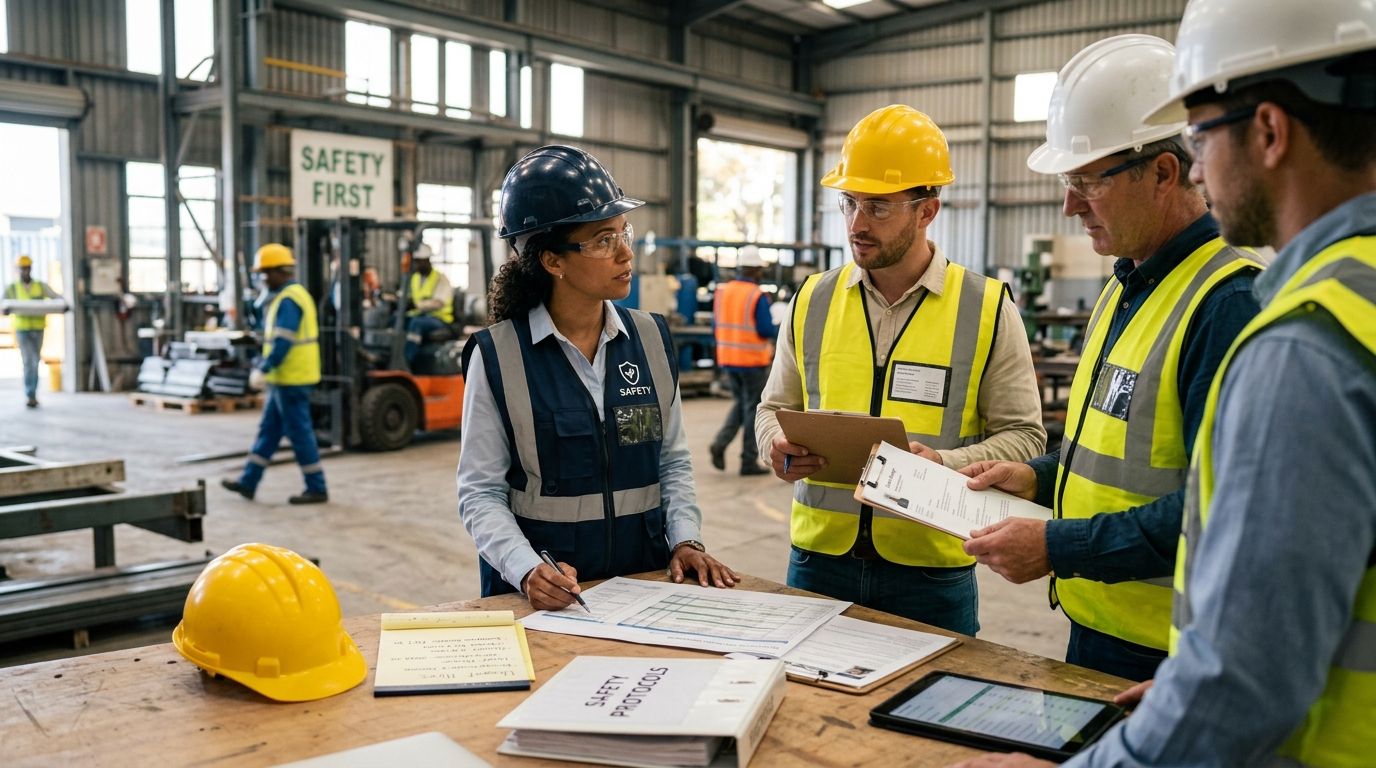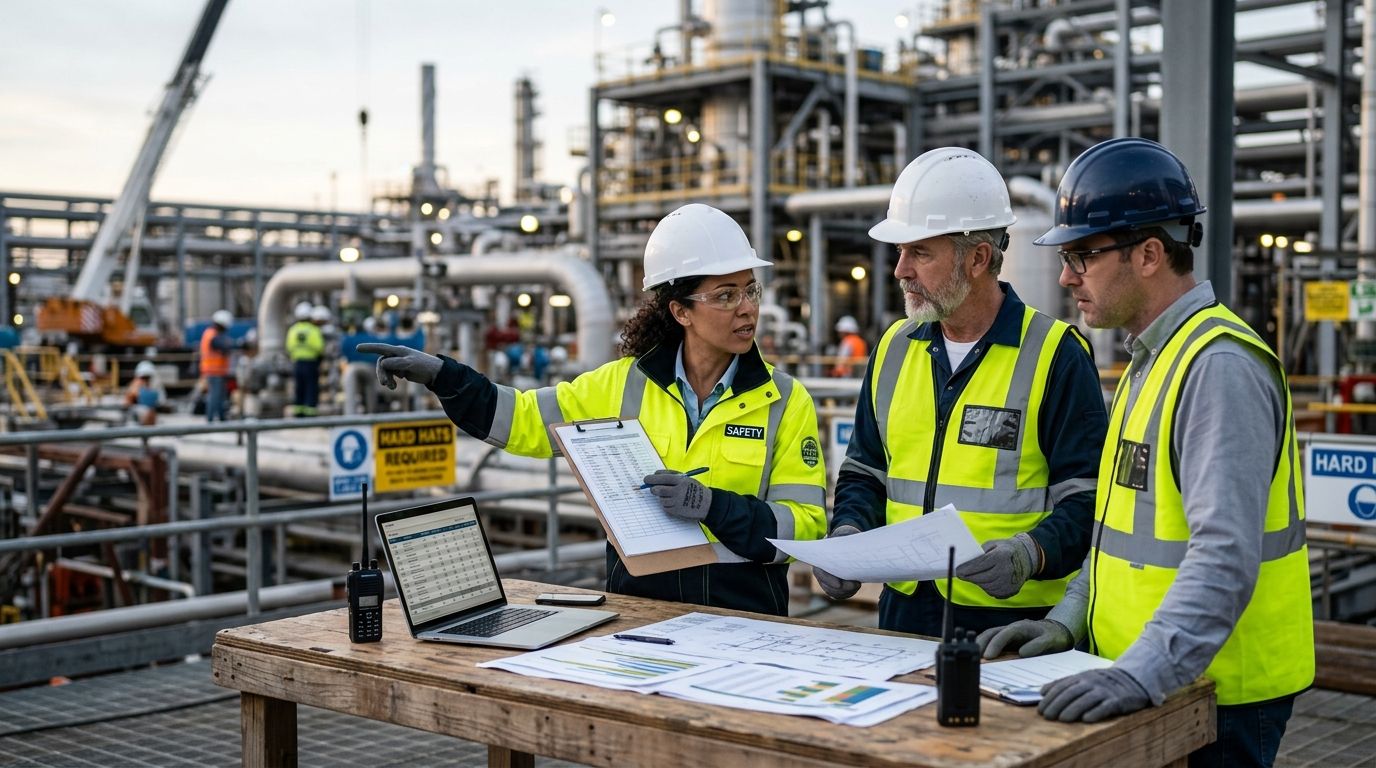
Ergonomics specialist staffing gets urgent the moment a plant's injury rate climbs or an OSHA inspector asks about your musculoskeletal disorder prevention plan. This guide breaks down what to look for, who fits which engagement model, and which pathway gets a certified ergonomics professional on your site fastest in 2026.
- Ergonomics specialist staffing works best through direct hire for permanent programs and contract for launches.
- Fast-track placements can land a CPE or CIE-credentialed specialist inside 2-3 weeks in 2026.
- Seasonal surge staffing fits plants adding lines without adding permanent headcount. Consider before committing full-time.
- Skip any staffing partner that can't name a BCPE-certified candidate on request.
Why This Matters
Musculoskeletal disorders stay one of the most persistent and expensive injury categories on plant floors, in refineries, and on construction sites. A dedicated ergonomics specialist catches the repetitive-motion and lifting risks that a general safety manager doesn't have bandwidth to chase down line by line.
The problem is supply. Certified ergonomics professionals are a narrow slice of the safety labor pool, and generalist staffing firms rarely keep a bench of them. ResponsAble Staffing works this niche specifically inside industrial safety recruiting, which is a different search than pulling a warehouse temp roster.
Getting ergonomics specialist staffing wrong costs you twice: once in the wasted weeks waiting on a placement, and again in the workers' comp claims that pile up while the seat sits empty. The right hire, brought in the right way, pays for itself inside one plant cycle.
Who This Is For
This guide is built for EHS directors, plant safety managers, and HR leaders at manufacturing, construction, oil and gas, and warehousing operations who need an ergonomics specialist on-site, whether that's a 13-week contract during a line startup or a permanent hire to run the program long-term. If you're comparing a staffing partner against doing the search in-house, this is the checklist to work from.
What to Look For in Ergonomics Specialist Staffing
Credential depth: CPE, CIE, and beyond
A Certified Professional Ergonomist (CPE) or Certified Industrial Ergonomist (CIE), both credentialed through the Board of Certification in Professional Ergonomics, is the baseline for anyone doing serious risk assessment work. A staffing partner that can't confirm which credential a candidate holds is guessing, not vetting.
Industry-specific floor experience
Ergonomics on an automotive line looks nothing like ergonomics on a scaffolding crew or in a cold storage facility. Ask whether the specialist has worked your specific process type, not just "manufacturing" broadly.
Engagement flexibility
Some plants need a specialist for a 90-day line launch. Others need a permanent program lead. A staffing partner that only offers one engagement type will force your timeline to fit their model instead of the other way around.
Time to fill
A generalist agency runs a 6-8 week search for a niche credential like this. A specialized safety staffing agency with a standing bench should get you a shortlist inside 1-2 weeks and a placement inside 2-3 for contract roles.
Compliance documentation
The specialist you bring in should arrive with training records, OSHA 10-hour or 30-hour cards where relevant, and a clean file ready for your safety audit trail. This isn't optional paperwork; it's what protects you if an inspector asks who assessed a given workstation and when.
Top Picks: Ergonomics Staffing Pathways for 2026
The Safe Pick: Direct-Hire Ergonomics Program Lead Built for plants that need a permanent owner of the ergonomics program, not a rotating cast of contractors. Typical placement timeline runs 4-6 weeks for a CPE or CIE-credentialed candidate. Direct-hire recruiting for safety managers covers exactly this hire path. Verdict: Buy if you're standing up a formal ergonomics function for the first time.
The Fast Mover: Fast-Track Certified Specialist For line startups, plant expansions, or audit-driven deadlines where you can't wait six weeks. Placement runs 2-3 weeks when the credential requirement is CPE or CIE and the role is contract, not permanent. How to find certified safety professionals for fast-track jobs is built for this exact clock pressure. Verdict: Buy if your start date is already on the calendar.
The Surge Option: Seasonal Ergonomics Surge Support Fits manufacturers adding a shift or a production line for a defined window, typically 8-12 weeks, without adding permanent headcount to the safety team. Seasonal safety staffing for manufacturing surge periods walks through how the contract terms usually get structured. Verdict: Consider if your surge has a known end date.
The Multi-Site Play: Rotating Ergonomics Rollout For operators expanding across two or more sites who need consistent ergonomics assessment standards without hiring a full-time specialist per location. This usually runs as rotating 13-week blocks, one specialist covering multiple plants on a schedule. Verdict: Consider if headcount budget per site is tight but risk exposure is spread across several locations.
Need an ergonomics specialist placed?
Talk through your timeline and credential requirements with ResponsAble Staffing.
What to Avoid
- A generalist staffing firm with a "safety division." They can fill a fire watch role fine. Ergonomics specialist staffing needs a bench of BCPE-certified candidates, which most generalist shops simply don't carry.
- Anyone who can't produce a credential file before start date. If the recruiter can't show you the CPE or CIE certificate and training records before day one, you're inheriting the vetting risk yourself.
- A contract with no conversion clause if the role turns permanent. Plants change plans mid-project. Lock in whether a contract placement can convert to direct hire before you sign, not after.
Verdict Comparison
| Pathway | Engagement Length | Credential Depth | Typical Time to Fill | Verdict |
|---|---|---|---|---|
| Direct-Hire Program Lead | Permanent | CPE or CIE | 4-6 weeks | Buy |
| Fast-Track Certified Specialist | Contract, 13 weeks | CPE or CIE | 2-3 weeks | Buy |
| Seasonal Surge Support | 8-12 weeks | CIE or CSP | 3-4 weeks | Consider |
| Multi-Site Rollout | Rotating 13-week blocks | Mixed team | 6-8 weeks | Consider |
FAQ
What does ergonomics specialist staffing actually cover?
Ergonomics specialist staffing places credentialed professionals, typically CPE or CIE-certified, who assess workstations, repetitive-motion risk, and lifting tasks to reduce musculoskeletal injury claims. The role can be structured as a temporary contract, a project-based engagement, or a direct hire in 2026.
Is direct hire or contract staffing better for an ergonomics specialist?
Direct hire fits plants building a permanent ergonomics program with ongoing assessment needs. Contract staffing fits line launches, audits, or seasonal surges with a defined end date.
How much does ergonomics specialist staffing cost?
Cost depends on whether the placement is contract or direct hire, the credential level required, and the length of the engagement. Get a quote based on your specific site and timeline rather than a blanket rate.
What certifications should an ergonomics specialist hold?
Look for a Certified Professional Ergonomist (CPE) or Certified Industrial Ergonomist (CIE) credential through the Board of Certification in Professional Ergonomics. Both signal formal training in workstation and task risk assessment.
How fast can a staffing agency place a certified ergonomics specialist?
A specialized safety staffing agency with a standing bench can typically deliver a shortlist inside 1-2 weeks and a contract placement inside 2-3 weeks. Generalist agencies often run 6-8 weeks for the same credential search.
Do ergonomics specialists need OSHA certification too?
Many carry an OSHA 10-hour or 30-hour card alongside their ergonomics credential, especially on construction and industrial sites where general safety compliance overlaps with ergonomics work. It's not always required but it strengthens the file.
What's the difference between an industrial hygienist and an ergonomics specialist?
An industrial hygienist focuses on chemical, noise, and environmental exposure risks, while an ergonomics specialist focuses on musculoskeletal and repetitive-motion risk from tasks and workstation design. Some sites need both roles staffed separately.
Can ergonomics specialists work bilingual plant floors?
Yes, and it matters on sites where a large share of the floor speaks a language other than English. Ask any staffing partner directly whether bilingual candidates are part of their ergonomics bench before you assume it.
One Last Thing
The plants that get the most out of ergonomics specialist staffing don't wait for an injury spike to make the call. They bring a specialist in during the line design phase, before the workstation layout is bolted to the floor, when a fix costs an afternoon instead of a re-tooling project. If you're staffing reactively in 2026, you're already paying the more expensive version of this problem.