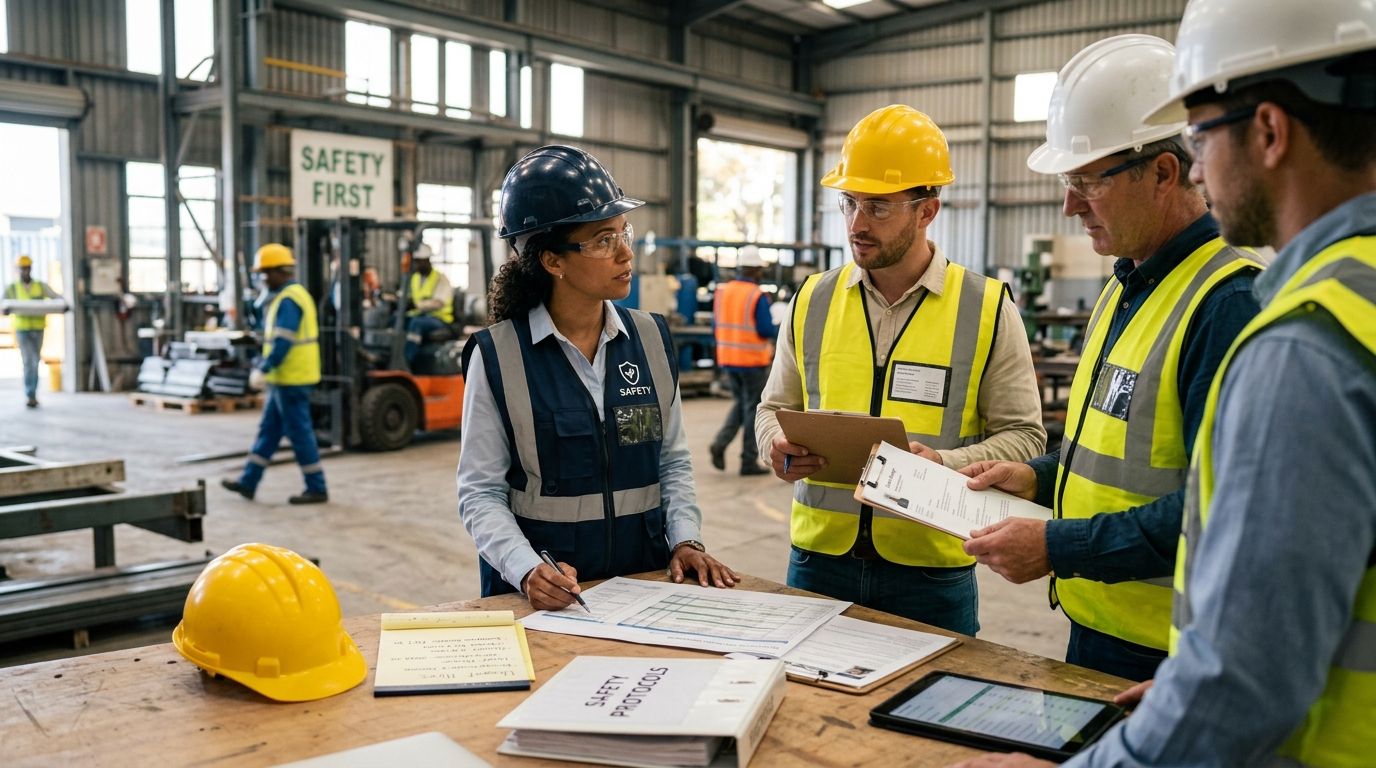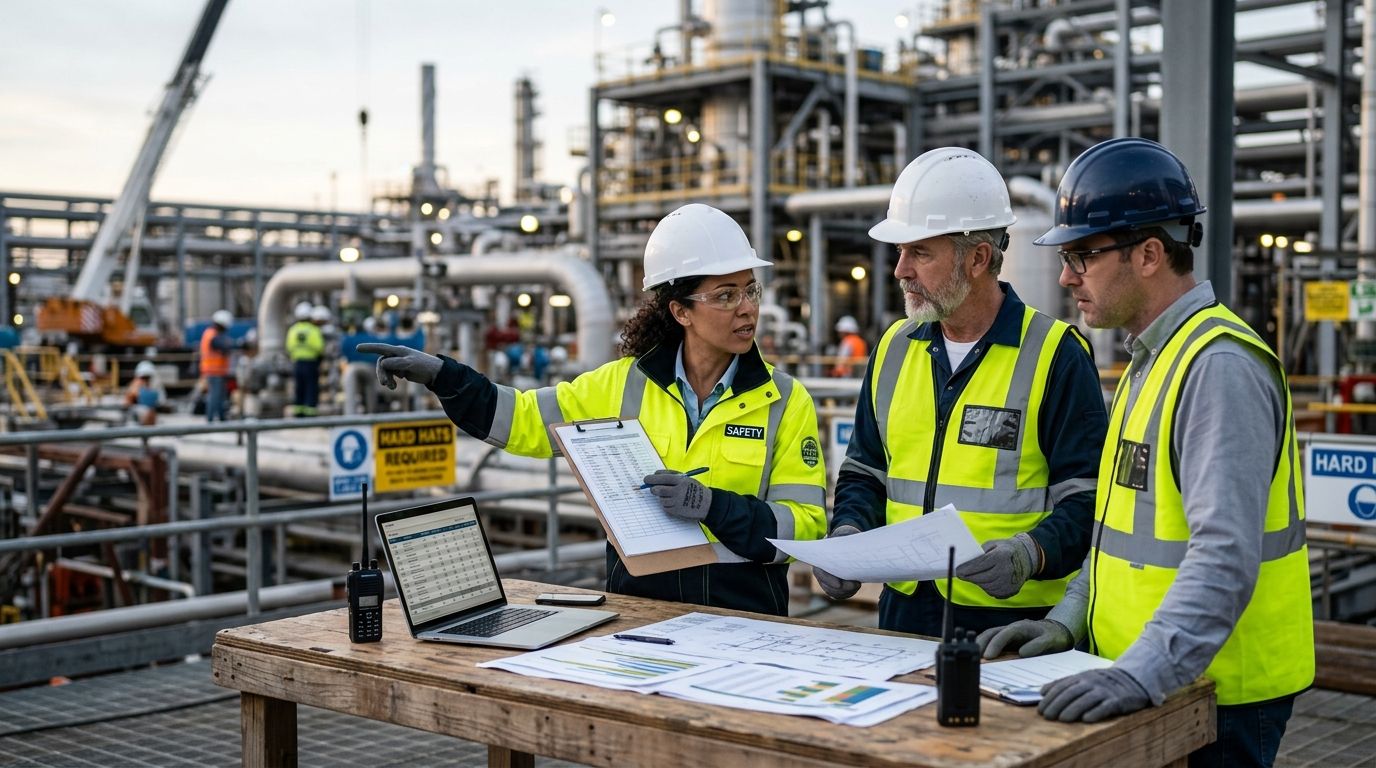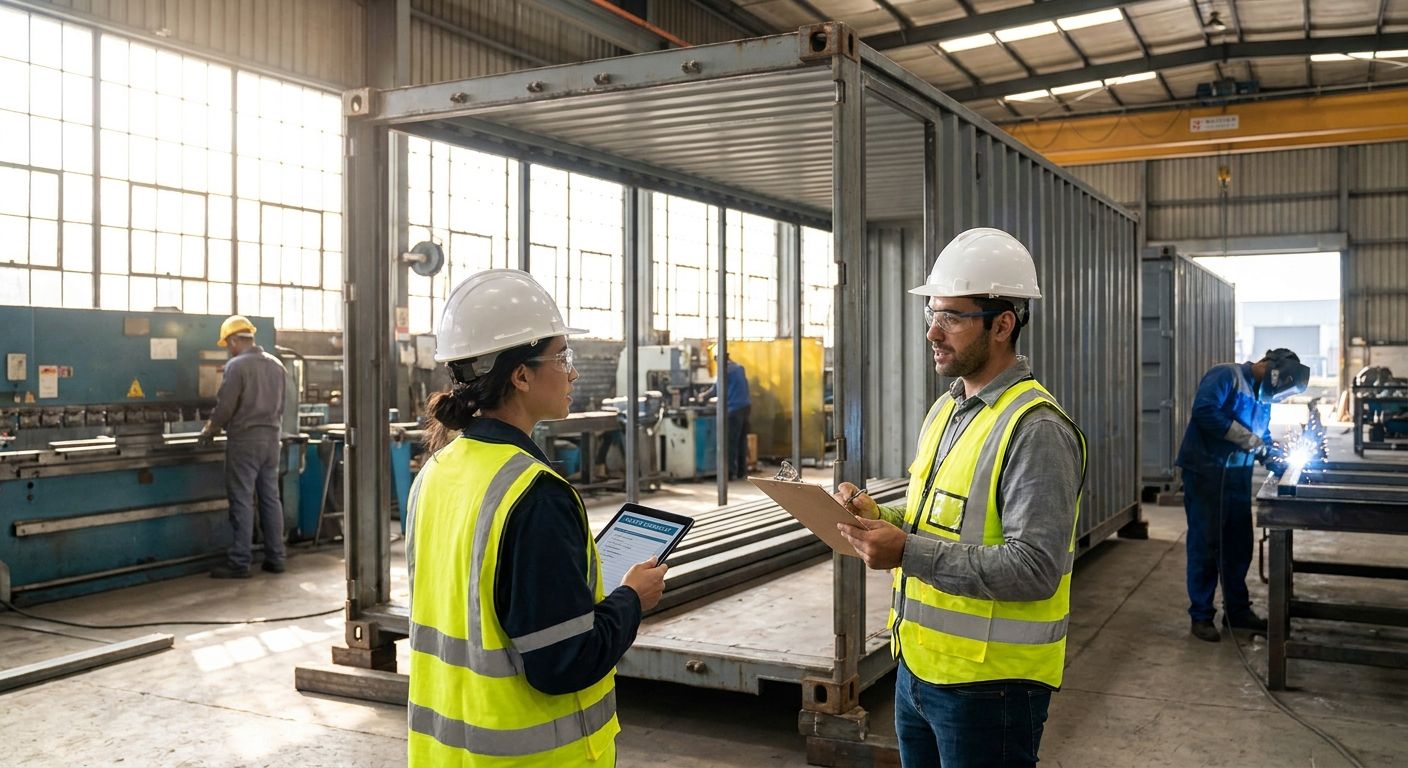
Safety staffing for shipping container manufacturing plants covers the specific mix of confined space attendants, fire watch personnel, riggers, and safety managers a container plant needs to run welding, coating, and heavy steel handling without a stop-work order. Container fabrication combines hot work, confined space entry, and crane lifts in one production line, so a generalist temp roster won't cover the exposure.
- Safety staffing for shipping container manufacturing requires confined space, hot work, and rigging specialists, not generalist temps.
- ResponsAble Staffing places OSHA-certified confined space attendants and fire watch personnel for container plants nationwide in 2026.
- Direct-hire safety managers take longer to place than contract safety techs; match the engagement model to your production timeline.
- Verify confined space and rigging certifications before placement, not after the first near-miss report.
Why safety staffing matters for shipping container manufacturing
A standard shipping container shell is a permit-required confined space the moment welding, coating, or grinding happens inside it with limited ventilation. Add crane lifts for moving finished units and hot work for seam welding, and a container plant is running three high-hazard activities on the same floor at the same time.
Most container manufacturers staff production and safety separately, then discover mid-run that the safety headcount doesn't match the hazard profile. A manufacturing plant safety staffing plan built around actual job hazards, rather than generic titles, is what keeps a line running past the first OSHA walkthrough.
Map your hazard exposure before you hire
Start with the actual work, not a job board template. Container manufacturing hazard points differ from general metal fabrication because of the enclosed-space geometry.
- Interior seam welding and coating inside a finished or partially finished container shell
- Grinding and cutting on steel panels producing airborne particulate
- Crane and forklift movement of heavy steel sections and finished units
- Spray-paint booths and coating lines requiring respiratory protection
- Container stacking and staging yard traffic
- Overhead lifting near active production lines
List every task where a worker enters an enclosed shell, works with an open flame, or stands under a suspended load. That list becomes your staffing spec, not your title list.
Build job descriptions around hazard classes, not generic titles
"Safety technician" tells a recruiter nothing about whether the candidate has confined space entry experience or hot work permit training. Write the description around the certification and the hazard.
- OSHA 10 or 30 for General Industry, matched to plant role level
- Confined space entry and attendant training specific to enclosed metal structures
- Hot work permit authorization and fire watch certification
- Respiratory protection fit testing for coating and spray booth work
- Rigging and signal person qualification for crane-adjacent roles
- Documented incident history and reference checks from prior industrial placements
A staffing partner that recruits for confined space attendant roles specifically can match candidates against this list faster than a generalist agency running keyword searches against "safety officer."
Cover hot work and coating line compliance
Every weld seam and every coating pass on a container shell needs fire watch coverage or ventilation monitoring, and skipping it is one of the fastest ways to draw an OSHA citation on a container line.
- Fire watch attendants trained for confined-space hot work, not just open-floor welding
- Hot work permit administrators who sign off before torches start
- Ventilation and air monitoring technicians for coating booths
- Respiratory protection program coordinators
- Documented fire watch logs tied to each shift
Container plants running multiple welding stations at once often need more fire watch coverage than headcount plans assume, especially on second and third shift.
Staff confined space entry for shell interior work
A container shell is a confined space under OSHA 1910.146 the moment someone works inside it with restricted entry and exit. Treating it as routine floor work is the single most common gap on container lines.
- Confined space attendants stationed at every active entry point
- Entry supervisors who authorize permits and verify atmospheric testing
- Atmospheric monitoring technicians checking oxygen, combustible gas, and toxic exposure levels
- Rescue-capable personnel or a documented rescue plan for each shift
“A container shell isn't a confined space you assume is safe. It's a confined space you test, log, and staff, every entry.”
Add rigging and crane oversight for steel handling
Moving finished containers and heavy steel sections is a rigging operation, not a forklift task. Line supervisors covering rigging duty on top of production oversight is where lift incidents start.
- Qualified riggers certified for the load classes your line actually moves
- Signal persons trained on crane hand signals and radio protocols specific to your yard
- Crane safety officers who inspect lifting gear on a documented schedule
- Load chart verification for every non-standard lift
Scale staffing for production surges and new line launches
Container orders spike with shipping demand cycles, and safety headcount rarely scales as fast as production headcount. Plan the surge staffing plan before the order comes in, not after.
- Temp-to-hire safety technicians who can start within days of a confirmed order
- Contract confined space attendants for new line commissioning
- Short-term fire watch coverage during ramp-up welding schedules
- A pre-vetted candidate bench so surge fills don't start from zero
A staffing partner that already has certified confined space and fire watch candidates on file fills a surge order in days, not weeks. That's the practical difference between a specialized safety staffing agency and a generalist one running a new search from scratch.
Get container plant safety staffing coverage
Match confined space, fire watch, and rigging roles to your production schedule.
Compare staffing options for container manufacturing plants
| Option | Best for | Engagement model | Key limitation |
|---|---|---|---|
| Contract safety staffing (specialized) | Surge production runs, new line launches | Short-term contract, defined scope | Requires a clear scope of work up front |
| Direct-hire safety manager placement | Plants building permanent EHS leadership | Permanent placement | Longer search timeline than a contract fill |
| In-house EHS recruiting | Plants with an established HR/EHS function | Internal hiring | Limited access to confined space and rigging specialists |
| Generalist staffing agency | Quick headcount for non-safety roles | Broad temp staffing | Rarely vets OSHA-specific certifications |
| Port and shipyard-focused staffing | Plants co-located with marine terminal operations | Contract or project-based | Less depth in inland manufacturing hazard classes |
Verdict: contract safety staffing from a specialized agency wins for surge periods and new line commissioning; direct-hire recruiting wins once you're building a permanent EHS team. Generalist staffing is a fallback, not a first choice, when confined space and hot work certifications are on the line.
Common mistakes container plants make on safety staffing
- Treating container shell entry as routine floor work. It's a permit-required confined space, and treating it otherwise is the fastest route to a citation.
- Hiring welders without fire watch coverage. Every seam weld inside or near a shell needs a dedicated fire watch attendant, not a shared one covering three stations.
- Letting line supervisors double as riggers. Crane and rigging oversight needs a qualified rigger, not a supervisor with two other jobs during the lift.
- Waiting until the order confirms to start staffing. Surge periods for container production move faster than a standard recruiting search; a pre-vetted bench closes that gap.
- Skipping certification verification before placement. Confirming confined space and rigging certifications after an incident is too late; verify before the candidate steps on the floor.
FAQ
What is safety staffing for shipping container manufacturing?
It's the placement of OSHA-certified safety professionals, including confined space attendants, fire watch personnel, riggers, and safety managers, matched to the specific hazards of container welding, coating, and steel handling. In 2026, container plants running multi-shift welding lines typically need this coverage on every active shift, not just during audits.
Do container manufacturing plants need confined space attendants?
Yes, any time a worker enters a container shell to weld, coat, or grind with restricted entry and exit, that shell is a permit-required confined space under OSHA 1910.146. An attendant needs to be stationed at the entry point for every one of those entries.
What certifications should a fire watch attendant for container welding have?
A fire watch attendant should hold hot work permit training specific to confined and semi-confined spaces, not just open-floor welding certification. Container shell welding adds ventilation and combustible material risks that open-shop fire watch training doesn't cover.
How fast can a staffing agency fill a safety manager role for a container plant?
Fill speed depends on whether the role is contract or direct-hire and whether the agency has a pre-vetted candidate bench. A specialized safety staffing agency with confined space and rigging candidates on file fills surge roles faster than a generalist agency starting a search from zero.
Is temporary or direct-hire safety staffing better for container manufacturing?
Temporary or contract staffing fits surge production runs and new line commissioning; direct-hire fits plants building a permanent EHS leadership structure. Most container plants use both models at different points in their production cycle.
What OSHA standards apply to shipping container manufacturing plants?
Container plants typically fall under General Industry standards including 1910.146 for confined spaces, 1910.252 for welding and cutting, and 1910.184 for rigging equipment. The exact standards depend on the specific processes running on your line.
How much does safety staffing cost for a container manufacturing plant?
Cost depends on the role, certification level, contract length, and engagement model, so check current rates directly with a staffing partner rather than relying on a flat number. Contract and direct-hire pricing structures differ enough that a generic figure won't match your actual scope.
Do container manufacturing plants need rigging and crane safety oversight?
Yes, moving finished containers and heavy steel sections is a rigging operation that needs a qualified rigger and signal person, not a line supervisor covering the task on top of production duties. Skipping dedicated rigging oversight is a common source of lift-related incidents on container lines.
One last thing
The gap most container plants miss isn't headcount, it's certification specificity. A safety tech with a general OSHA 10 card and no confined space entry training looks fully staffed on paper and isn't staffed for the actual work happening inside a container shell in 2026. Match the certification to the hazard before you count the role as filled.