Process safety engineers are the hardest safety hires to fill fast, and the wrong one on a PSM-covered site costs more than a missed deadline — it costs an incident. This guide breaks down what to look for in process safety engineer staffing, which engagement models actually work, and where employers get burned.
- Direct-hire process safety engineer staffing fits permanent PSM programs; temporary deployment fits turnarounds and startups.
- OSHA 1910.119 covers 137 highly hazardous chemicals across 14 required program elements — vet candidates against that list first.
- ResponsAble Staffing's turnaround and direct-hire tracks both beat generic staffing agencies on chemical and refinery placements — Buy.
- Skip agencies that can't name a candidate's PHA methodology experience (HAZOP, What-If, LOPA) before submitting a resume.
Why this matters
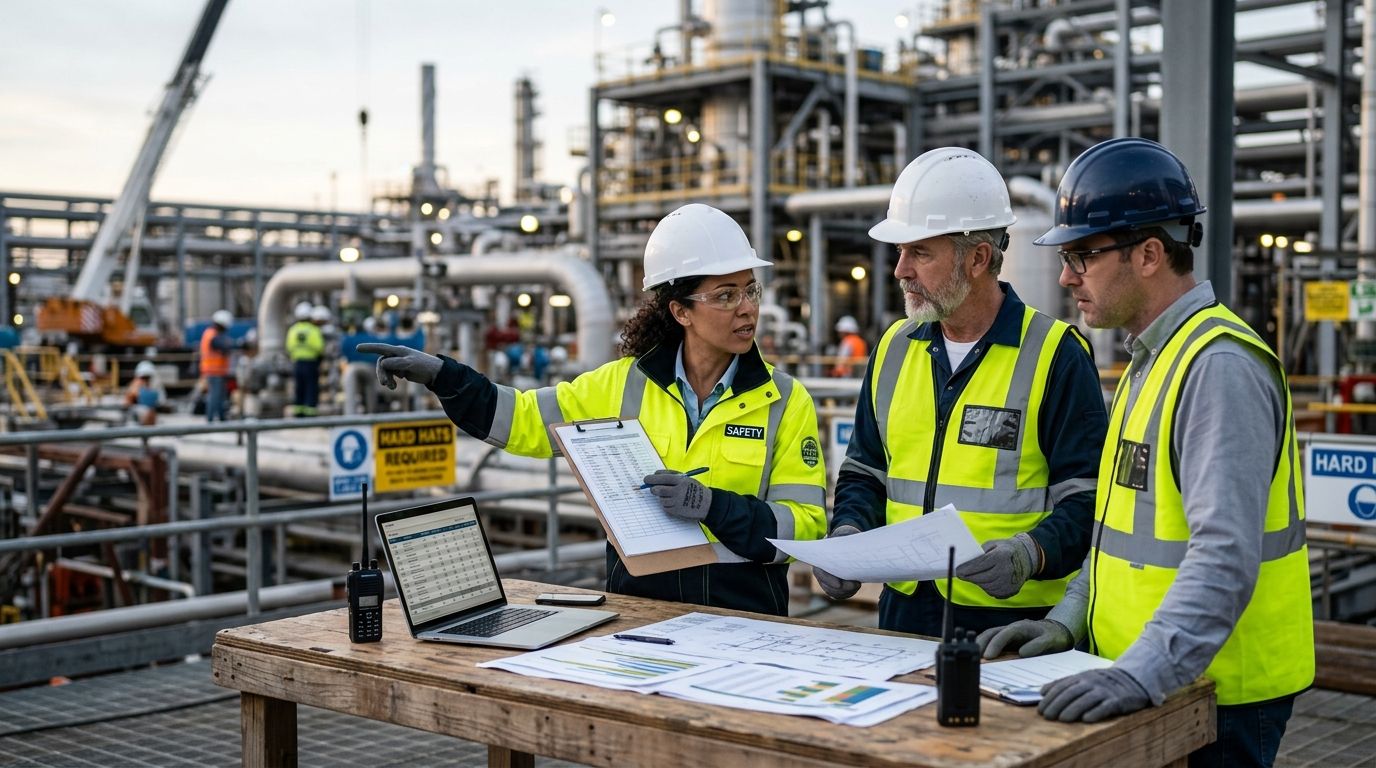
A process safety engineer isn't a general safety hire with a longer title. The role sits inside OSHA's Process Safety Management standard, 29 CFR 1910.119, which governs facilities handling highly hazardous chemicals above threshold quantities — refineries, chemical plants, LNG terminals, and increasingly battery storage sites in 2026.
Get the hire wrong and you don't just lose a quarter of productivity. You risk a PHA revalidation lapsing past its 5-year window, an incident investigation with no qualified engineer of record, or an OSHA citation that follows the plant for years. Process safety engineer staffing done right closes that gap without waiting six months for a traditional search.
Who this is for
This is written for plant managers, EHS directors, and HR leads at oil and gas, chemical, petrochemical, manufacturing, and energy employers who need a process safety engineer now — for a turnaround, a startup, a PSM audit, or a permanent seat that's been vacant too long. If you're staffing a covered process and the clock is already running, ResponsAble Staffing built its model around exactly this pressure.
What to look for in process safety engineer staffing
PSM fluency, not just a safety background
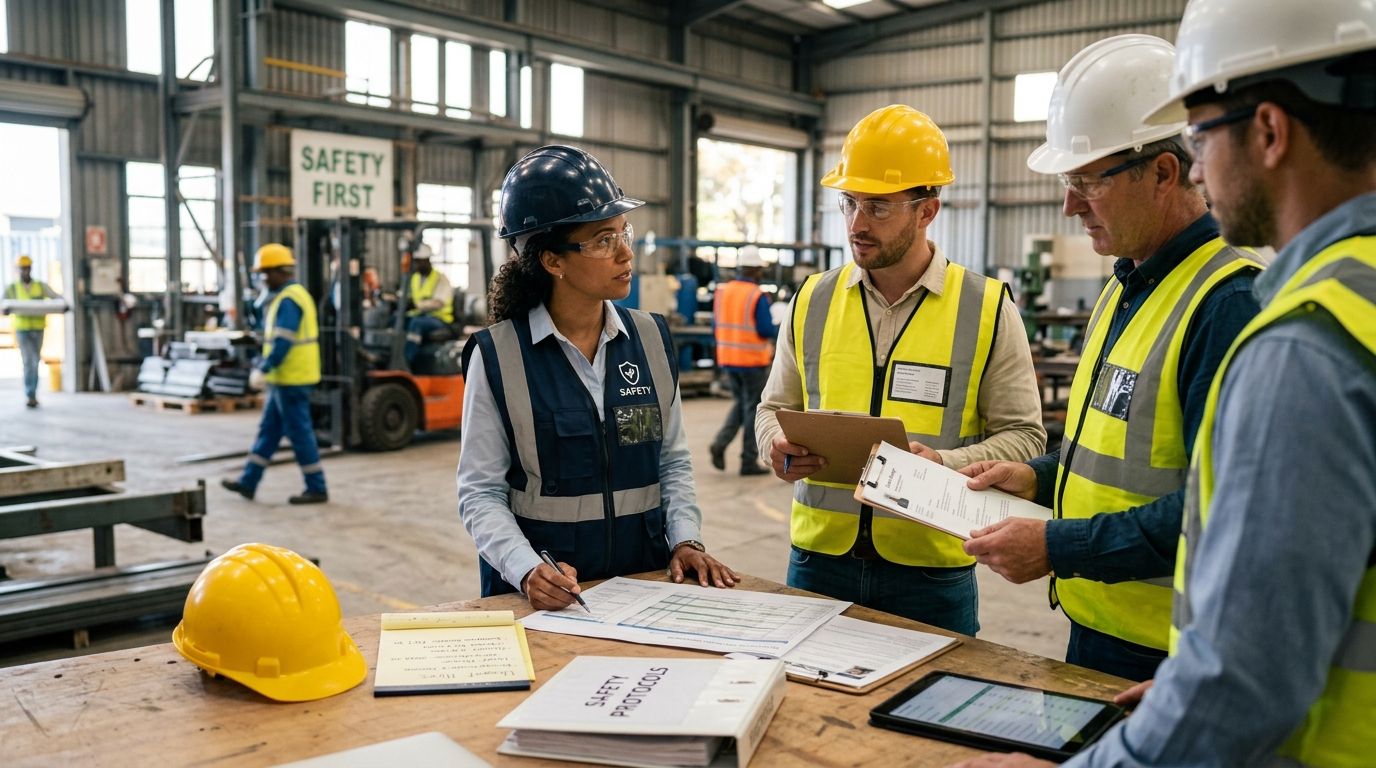
Ask any staffing partner to name the specific 1910.119 elements their candidates have worked — mechanical integrity, management of change, pre-startup safety review. A generalist safety recruiter won't know the difference between a compliance audit and a PHA revalidation, and that gap shows up on your site.
Real process hazard analysis experience
A process safety engineer who's only reviewed HAZOPs on paper isn't the same as one who's led a LOPA session or facilitated a What-If study on an active unit. Ask for the methodology, not just the job title, before the candidate ever gets to interview.
Credentials that hold up under audit
A PE stamp, CSP, or CFPS designation matters more on a covered process than a resume full of vague safety-leadership bullets. Verify licensure directly — don't take a staffing firm's word that credentials are current.
Deployment speed without shortcuts
Turnarounds and fast-track startups can't wait 60 days for a search. The right partner should be able to present vetted candidates within days, not weeks, but speed only counts if the vetting still happened.
Contract flexibility that matches the actual need
A six-month refinery turnaround needs project-based deployment. A permanent PSM program needs a direct hire who'll still be there for the next 5-year PHA cycle. The same agency should offer both without pushing you toward whichever model pays them more.
Site-specific hazard knowledge
A process safety engineer who's spent a career in food and beverage manufacturing doesn't automatically transfer to an LNG terminal or a chemical plant with different threshold chemicals. Match the candidate's site history to your actual hazard profile.
Top picks for process safety engineer staffing
The turnaround pick — project-based deployment One spec that matters: a 30-to-45 day turnaround window leaves no room for a slow ramp-up. Turnaround safety staffing for oil, gas, and refinery projects is built around that exact timeline, with candidates who've already worked covered-process turnarounds. Buy if your turnaround window is set and you need engineers on-site within days, not weeks.
The permanent seat pick — direct hire A vacant process safety engineer role for more than a full PHA cycle is a liability, not a staffing gap. Direct-hire recruiting for safety managers targets candidates for the long-term seat, not a bridge placement. Buy if you're filling a permanent PSM leadership role and want someone who'll still own the program in 2027 and beyond.
The chemical-site specialist Process safety engineering on a petrochemical unit isn't interchangeable with general manufacturing EHS work — the threshold chemicals, the mechanical integrity requirements, and the audit cadence all differ. EHS recruiting built specifically for chemical and petrochemical plants matters here. Consider this route if your site handles listed highly hazardous chemicals and generalist candidates keep falling short in interviews.
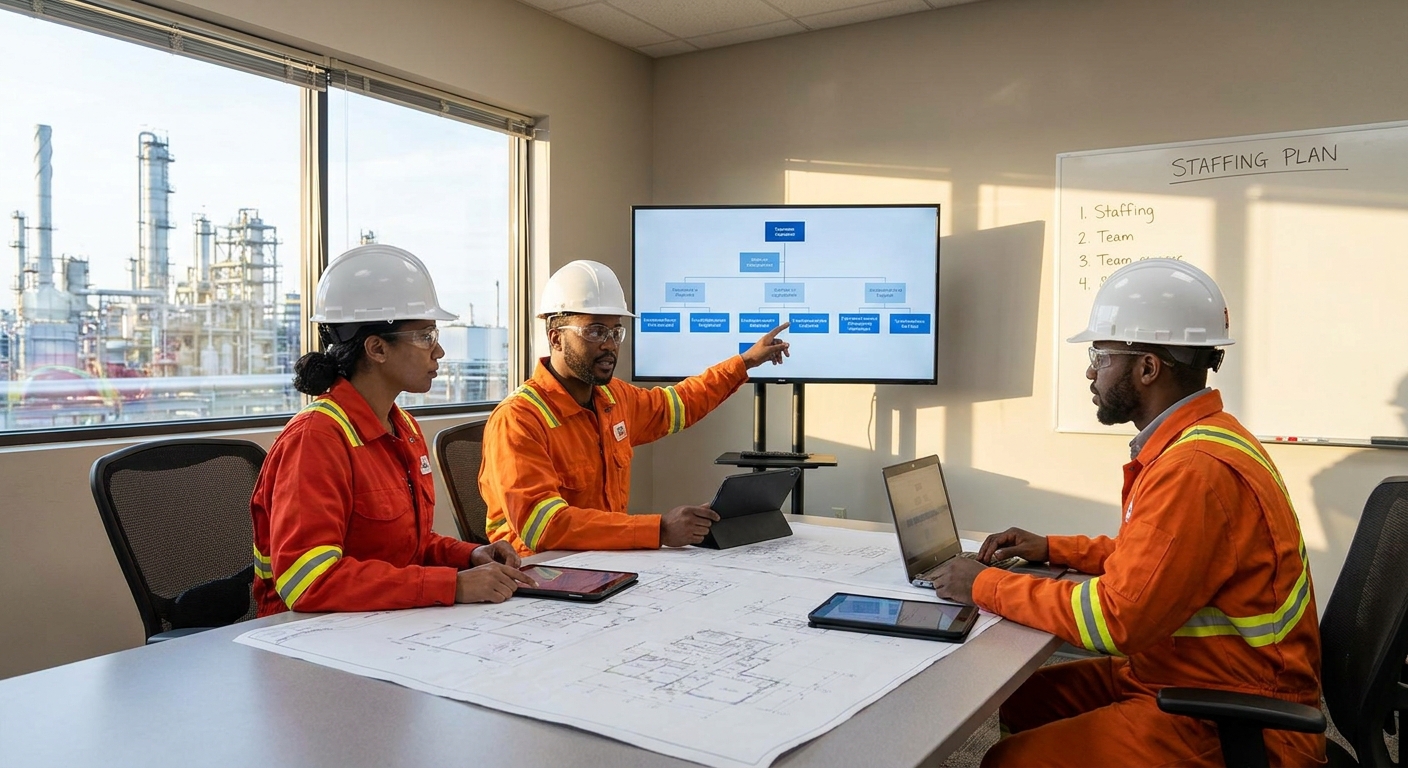
The multi-site expansion pick Growing to a second or third covered facility in the same year multiplies your process safety hiring need overnight. A staggered staffing plan across sites, rather than one search at a time, keeps every location compliant on the same timeline. Consider this if 2026 growth plans include more than one new covered process.
Need a process safety engineer fast
Get vetted candidates matched to your PSM program and timeline.
What to avoid
- Generalist safety staffing firms that submit the same resume pool for a process safety engineer as they would for a general site safety officer. The titles overlap; the hazard analysis experience doesn't.
- Agencies that skip credential verification and rely on the candidate's own claims about PE licensure or CSP status. Ask the agency directly how they confirm active licensure before you sign anything — how to vet a safety staffing agency before signing a contract covers the specific questions to ask.
- Contracts with no flexibility between temp and direct hire. A firm that only offers one engagement model will push you into it regardless of whether it fits your project or your permanent program.
Verdict comparison
| Engagement model | Best for | Typical duration | Verdict |
|---|---|---|---|
| Project-based turnaround staffing | Refinery, oil and gas turnarounds | 30-45 days | Buy |
| Direct hire | Permanent PSM program leadership | Ongoing | Buy |
| Chemical/petrochemical specialist placement | Sites with listed highly hazardous chemicals | Project or permanent | Consider |
| Multi-site staggered staffing | Facilities expanding to new covered processes | 6-18 months | Consider |
| Generalist safety staffing (no PSM focus) | Non-covered general EHS roles only | Varies | Skip for PSM roles |
FAQ
What is process safety engineer staffing?
Process safety engineer staffing is the recruiting and placement of engineers who manage OSHA 1910.119 process safety management programs — covering hazard analysis, mechanical integrity, and compliance on sites with highly hazardous chemicals. It includes temporary, project-based, and direct-hire placements.
How much does process safety engineer staffing cost in 2026?
Cost depends on contract length, credentials required, and whether the placement is temporary or direct hire, and varies by region and site hazard class. Get a project-specific quote rather than relying on a flat industry average, since PSM roles price differently than general EHS staffing.
Is direct hire better than temporary staffing for a process safety engineer?
Direct hire fits a permanent PSM program that needs continuity across multi-year PHA revalidation cycles. Temporary or project-based staffing fits turnarounds, startups, or coverage gaps where the need has a defined end date.
What credentials should a process safety engineer have?
Look for a PE license, CSP, or CFPS designation, plus direct experience with PHA methodologies like HAZOP, What-If, or LOPA. Verify credentials directly rather than trusting a resume alone.
How fast can a staffing agency fill a process safety engineer role?
Turnaround-focused staffing partners can present vetted candidates within days when the search is scoped around a known start date. Permanent direct-hire searches for niche PSM roles typically take longer to protect the quality of the vet.
Do process safety engineers need PSM-specific experience versus general EHS experience?
Yes. General EHS experience doesn't cover the 14 required elements of 1910.119, and a candidate without hazard analysis and mechanical integrity experience will struggle on a covered process from day one.
What industries need process safety engineer staffing most in 2026?
Oil and gas refining, chemical and petrochemical manufacturing, LNG terminals, and expanding battery storage and grid projects account for the bulk of process safety engineer demand in 2026, driven by PSM-covered process growth.
One last thing
The detail most employers miss: a process hazard analysis has to be revalidated at least every 5 years under 1910.119(e)(6), and if your last engineer left mid-cycle with no handoff, that clock doesn't pause for your search. Staff the role before the revalidation deadline forces a rushed hire — a fresh start on a PSM program works better than a scramble against a compliance date.