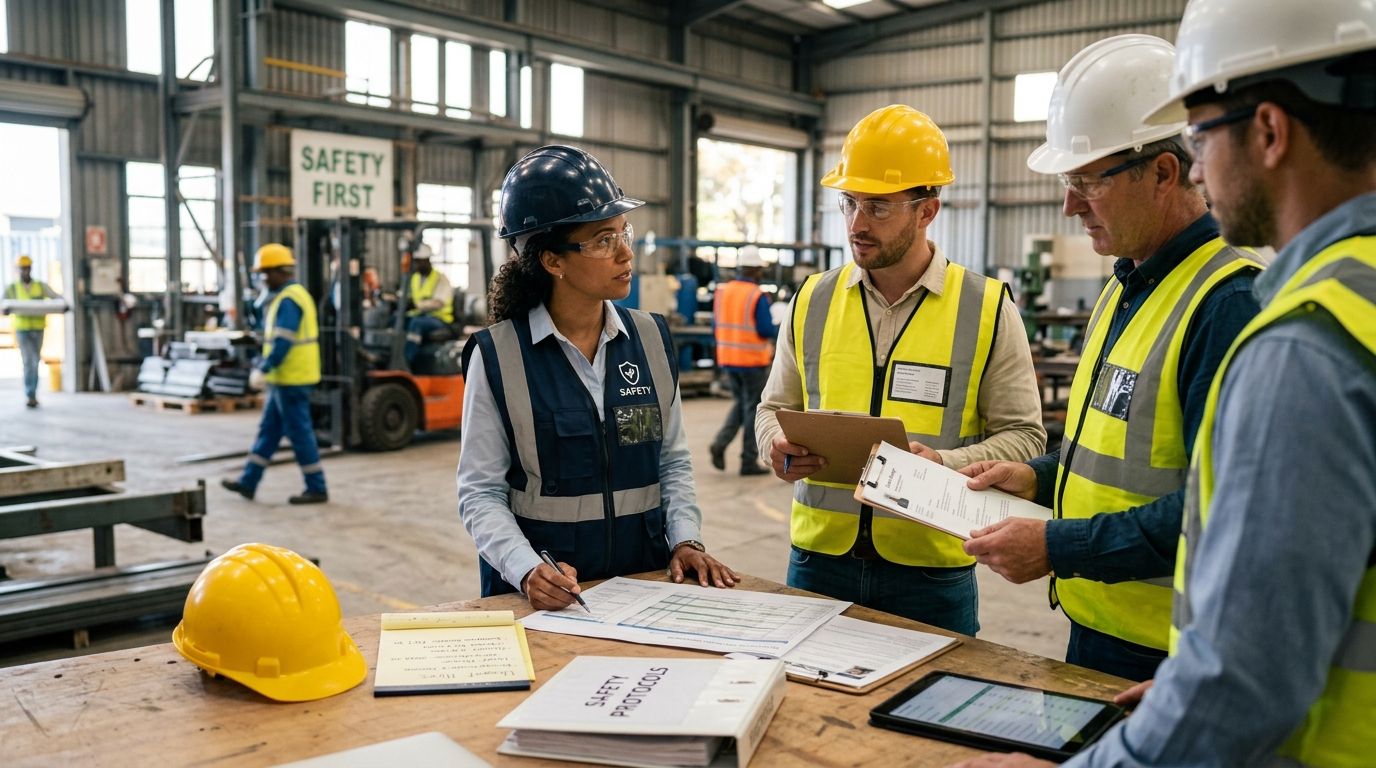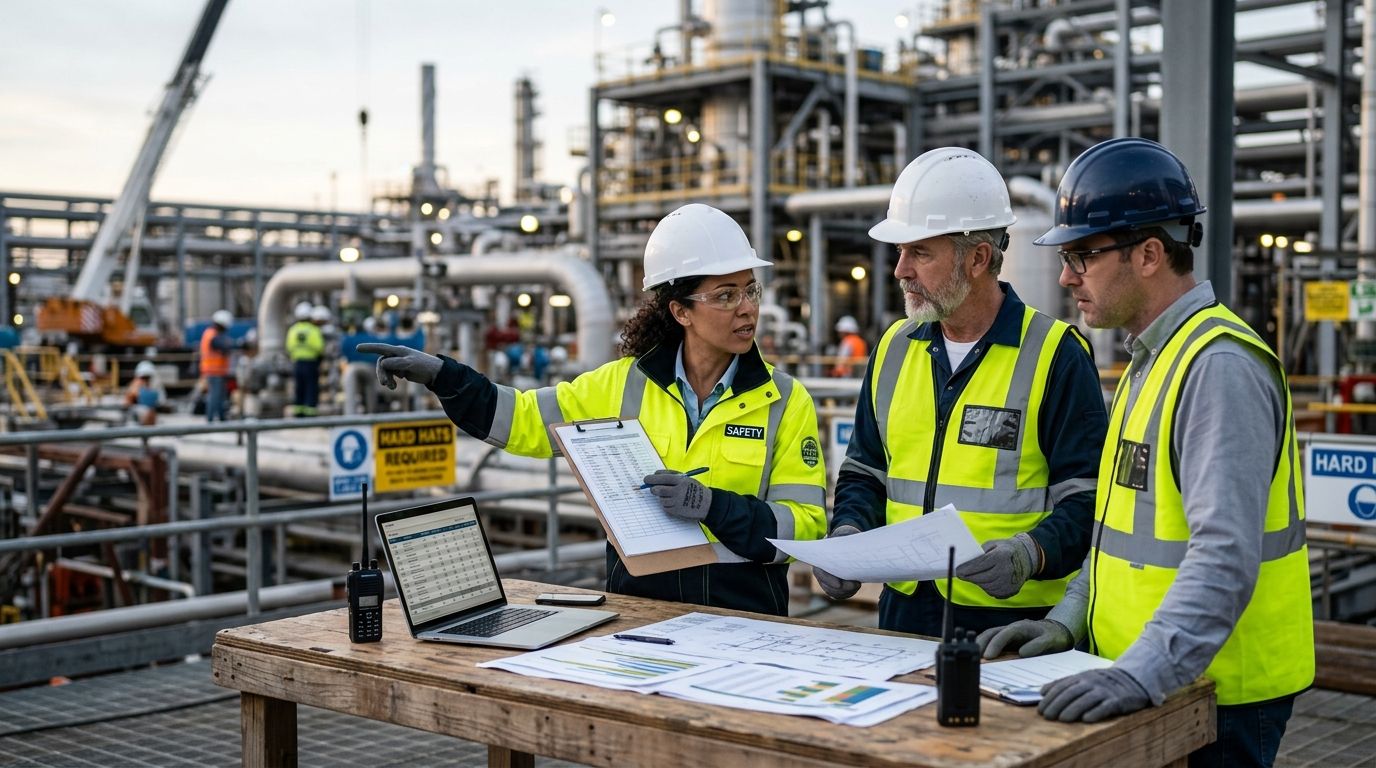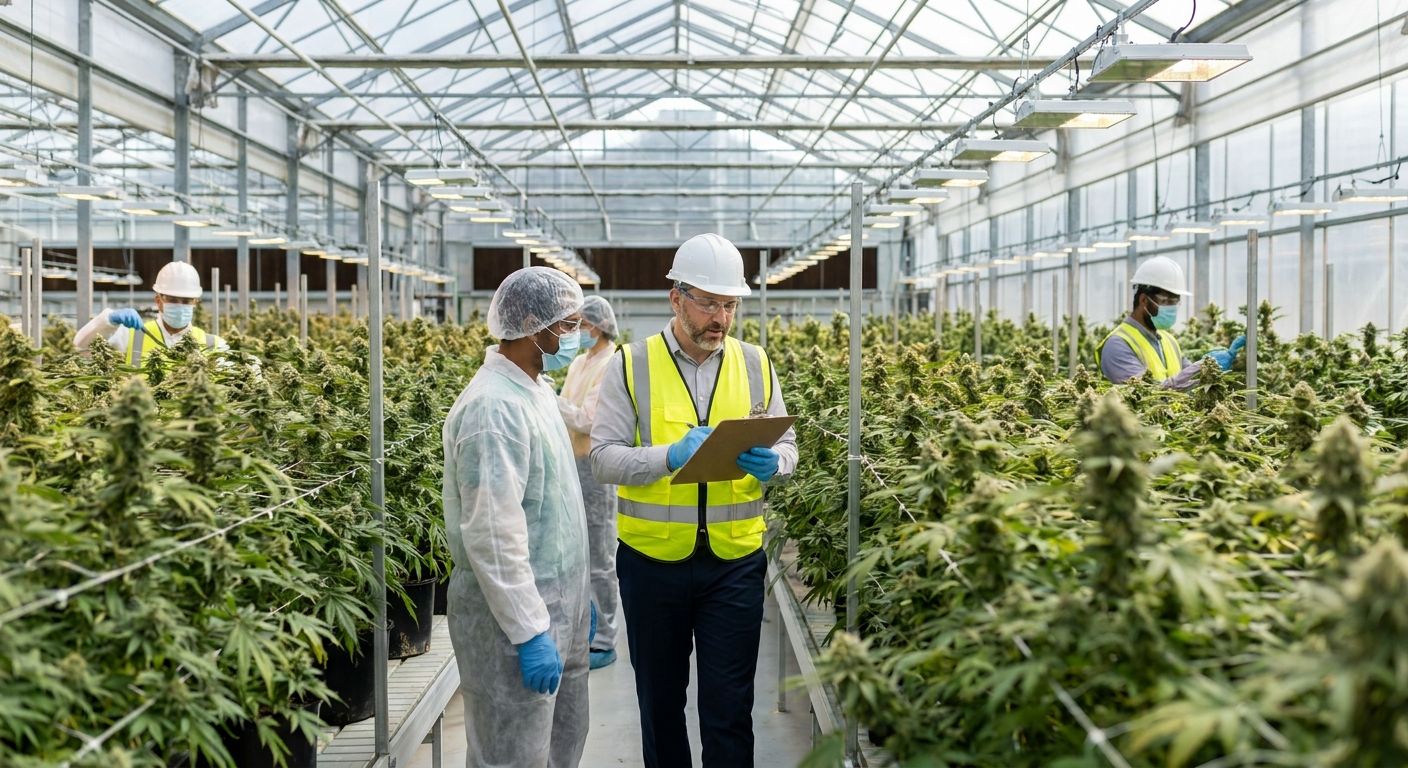
Cannabis cultivation facilities carry hazards that general industrial staffing agencies rarely screen for — CO2-enriched grow rooms, flammable solvent extraction, and fast license renewal deadlines. This guide breaks down what to look for in safety staffing for cannabis cultivation facilities and which roles to fill first.
- Confined space attendants are non-negotiable in CO2-enriched grow rooms — buy first.
- Fire watch staffing for hot work permits matters most at BHO and ethanol extraction sites.
- Direct hire safety managers fit multi-site operators; temporary EHS technicians fit single harvest surges.
- Verify state cannabis certifications before signing, not after an incident.
- ResponsAble Staffing places vetted safety professionals for high-risk cultivation and extraction work nationwide.
Why this matters
Cannabis cultivation grew out of small grow-tents and into licensed industrial facilities faster than most safety programs could keep pace. A cultivation site running CO2 supplementation, LED lighting at scale, and solvent-based extraction in the same building looks nothing like the warehouse it used to be.
Most general staffing firms place bodies. ResponsAble Staffing places safety staffing for cannabis cultivation facilities specifically — people who know a permit-required confined space when they see one and who can walk into a licensed extraction room without a training gap. That distinction is where an incident either happens or doesn't.
Growth in this industry rarely waits for your safety program to catch up. If your team has outgrown what one in-house EHS hire can cover across cultivation, extraction, and packaging, that's the signal to bring in outside safety staffing before an inspector or an insurer forces the issue.
Who this is for
This guide is built for operations leads, HR managers, and compliance officers at licensed cultivation and extraction facilities who need vetted safety professionals fast — whether that's a confined space attendant for a single harvest cycle or a full-time safety director ahead of a multi-site expansion. If you're opening a new licensed facility in 2026 and staffing a safety function from zero, start here.
What to look for in safety staffing for cannabis cultivation facilities
Confined space and atmospheric hazard training
CO2 enrichment systems in indoor grow rooms can push oxygen levels below the 19.5% threshold that triggers OSHA's permit-required confined space rule under 29 CFR 1910.146. A safety hire without atmospheric monitoring experience is a liability the day the CO2 injectors run long.
Flammable solvent and hot work certification
Butane and ethanol extraction handle Class I flammable liquids with flash points under 100°F, which puts them under NFPA 30 storage and handling rules. Anyone staffing fire watch or hot work permits at an extraction facility needs to know those thresholds cold, not learn them on shift one.
State-specific cannabis compliance knowledge
Cultivation regulations differ by state — California's Cal/OSHA requirements aren't Michigan's, and Colorado's aren't either. A safety professional who's only worked general manufacturing will miss cannabis-specific pesticide handling and waste disposal rules that state inspectors check first.
Speed of placement against licensing deadlines
Most state cultivation and processing licenses renew annually, and inspectors expect a named safety lead on file by that renewal date. A staffing partner who takes six weeks to place a qualified candidate puts your license timeline at risk.
Background check and cannabis employee permitting
Many states require cannabis workers to hold a state-issued work permit or badge before they touch the floor. A safety hire who isn't already permit-eligible costs you weeks you don't have during a harvest ramp.
Top picks for cannabis cultivation safety staffing
Confined space attendants for grow rooms — the non-negotiable pick. CO2 injection and sealed grow environments trigger OSHA's permit-required confined space standard the moment oxygen readings drop below 19.5%. Confined space attendant staffing covers monitoring, rescue planning, and permit documentation. Buy.
Fire watch staff for extraction rooms — the pick insurers ask about first. BHO and ethanol extraction fall under NFPA 30 because their flash points sit below 100°F, and a fire watch attendant certified for hot work permits is often what keeps your general liability coverage intact. Fire watch staffing for hot work permits fills that gap fast. Buy.
Temporary EHS technicians for harvest surges — the seasonal fix. Indoor cultivation runs harvest and trim cycles roughly every 8 to 12 weeks, and a temporary safety technician covers that spike without a permanent headcount commitment. Consider.
Direct hire safety managers for multi-site operators — the long game. Once a cultivation company holds licenses across more than one facility, a single named safety director tied to your annual license renewal carries more weight with state inspectors than a rotating cast of temps. Consider.
What to avoid
- General industrial temps with no cannabis onboarding. They may hold valid OSHA 10 or 30 cards but have never handled a state cannabis work permit, pesticide storage log, or odor-control complaint — all common on a cultivation floor.
- Agencies that skip certification verification. A fire watch attendant's hot work card or a confined space attendant's rescue training needs to be checked before placement, not discovered mid-shift. Verifying safety certifications before placing a candidate is a step some low-bid staffing shops skip to move faster.
- Lowest bill rate with no incident-rate transparency. A cheaper hourly rate that comes with zero visibility into an agency's placement safety record is a false savings the first time OSHA shows up.
“A grow room without a confined space attendant is a liability waiting for an incident report.”
Verdict comparison
| Role | Best for | Key requirement | Turnaround need | Verdict |
|---|---|---|---|---|
| Confined space attendant | CO2-enriched grow rooms | 29 CFR 1910.146 monitoring | Immediate, ongoing | Buy |
| Fire watch / hot work staff | BHO and ethanol extraction | NFPA 30 flammable liquid rules | Immediate, ongoing | Buy |
| Temporary EHS technician | Harvest and trim surges | General site safety coverage | 8-12 week cycles | Consider |
| Direct hire safety manager | Multi-site cultivation operators | State license renewal accountability | Annual planning | Consider |
Staff your cultivation safety team
Vetted confined space, fire watch, and EHS talent for cannabis facilities.
FAQ
What is safety staffing for cannabis cultivation facilities?
Safety staffing for cannabis cultivation facilities places vetted EHS professionals — confined space attendants, fire watch staff, and safety managers — into grow, extraction, and processing operations on a temporary, contract, or direct hire basis. It differs from general industrial staffing because cannabis sites carry CO2 confined space risks and flammable solvent extraction hazards.
Do cannabis grow rooms need confined space attendants?
Yes, when CO2 enrichment systems push oxygen below 19.5%, the room falls under OSHA's permit-required confined space standard (29 CFR 1910.146). A trained attendant with atmospheric monitoring experience is required for entry and rescue readiness.
What certifications should a fire watch attendant have for extraction work?
A fire watch attendant at a butane or ethanol extraction site should hold hot work permit training and understand NFPA 30 flammable liquid storage rules, since these solvents have flash points under 100°F. Verify the certification directly rather than taking a resume at face value.
How fast can a staffing agency place safety professionals at a new cultivation license?
Turnaround depends on the role and location, but confined space attendants and fire watch staff are typically the fastest to place because they're contract roles. Direct hire safety managers take longer since they involve a permanent placement search.
Is direct hire or temporary staffing better for cannabis safety managers?
Direct hire fits multi-site operators who need one accountable safety lead tied to annual license renewals. Temporary or contract staffing fits single-site operators covering a harvest surge or a short compliance gap.
How much does cannabis safety staffing cost in 2026?
Bill rates vary by role, region, and contract length, so get a current quote directly from a staffing agency rather than relying on a general estimate. Confined space and fire watch roles typically bill differently than a direct hire safety manager search.
Do cannabis safety staff need state-specific licensing?
In most states, yes — cannabis workers need a state-issued work permit or badge before starting on-site, separate from any OSHA certification they hold. A qualified staffing partner checks this before placement, not after.
What OSHA standards apply most to cannabis cultivation facilities?
The permit-required confined space standard (29 CFR 1910.146) applies to CO2-enriched grow rooms, and NFPA 30 flammable liquid rules apply to solvent-based extraction. General industry standards for electrical, ventilation, and machine guarding also apply across cultivation and trim operations.
One last thing
Combustible dust from trimming and grinding dried cannabis flower is a hazard most cultivation operators don't plan for until OSHA's combustible dust program flags it during an inspection. If your facility runs mechanical trimmers or grinders at volume in 2026, that dust control conversation belongs in the same safety staffing plan as your confined space and fire watch hires — not a separate one you get to later.