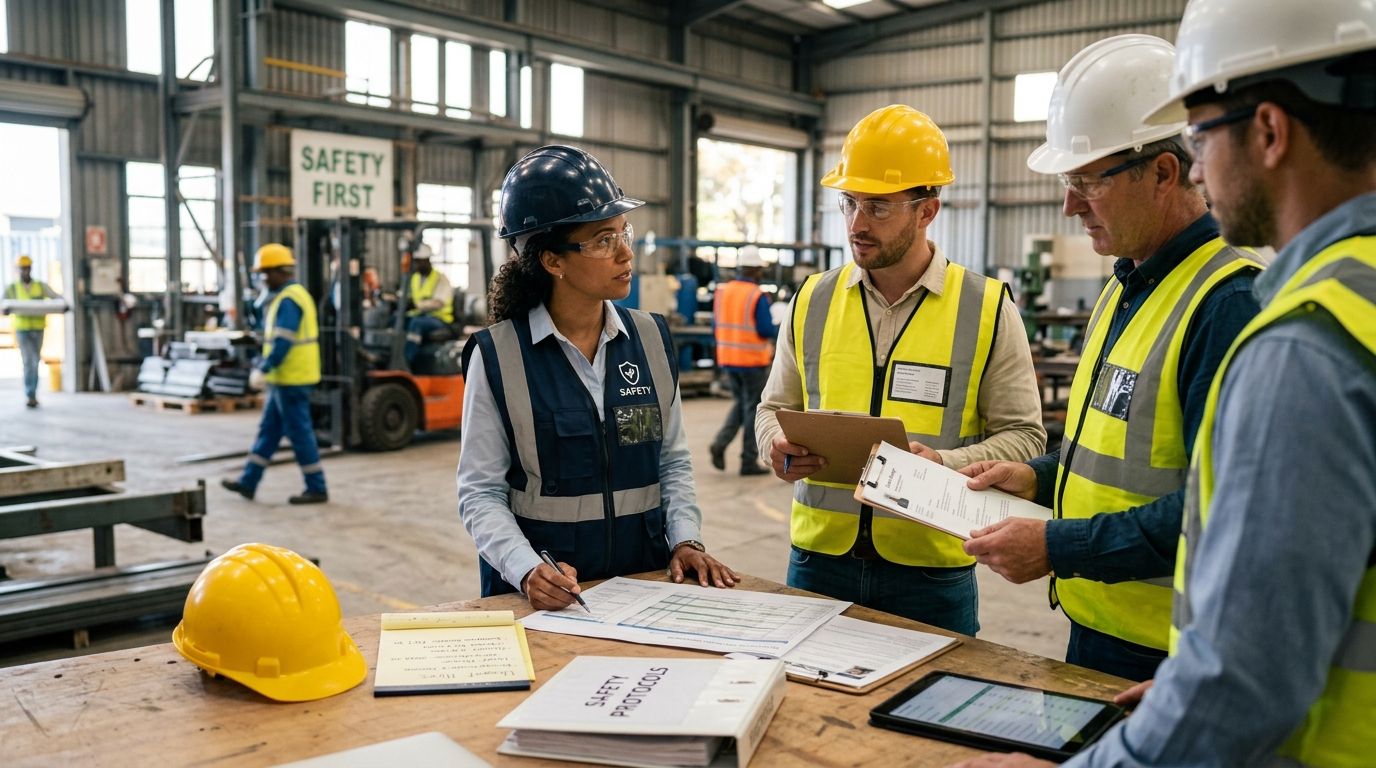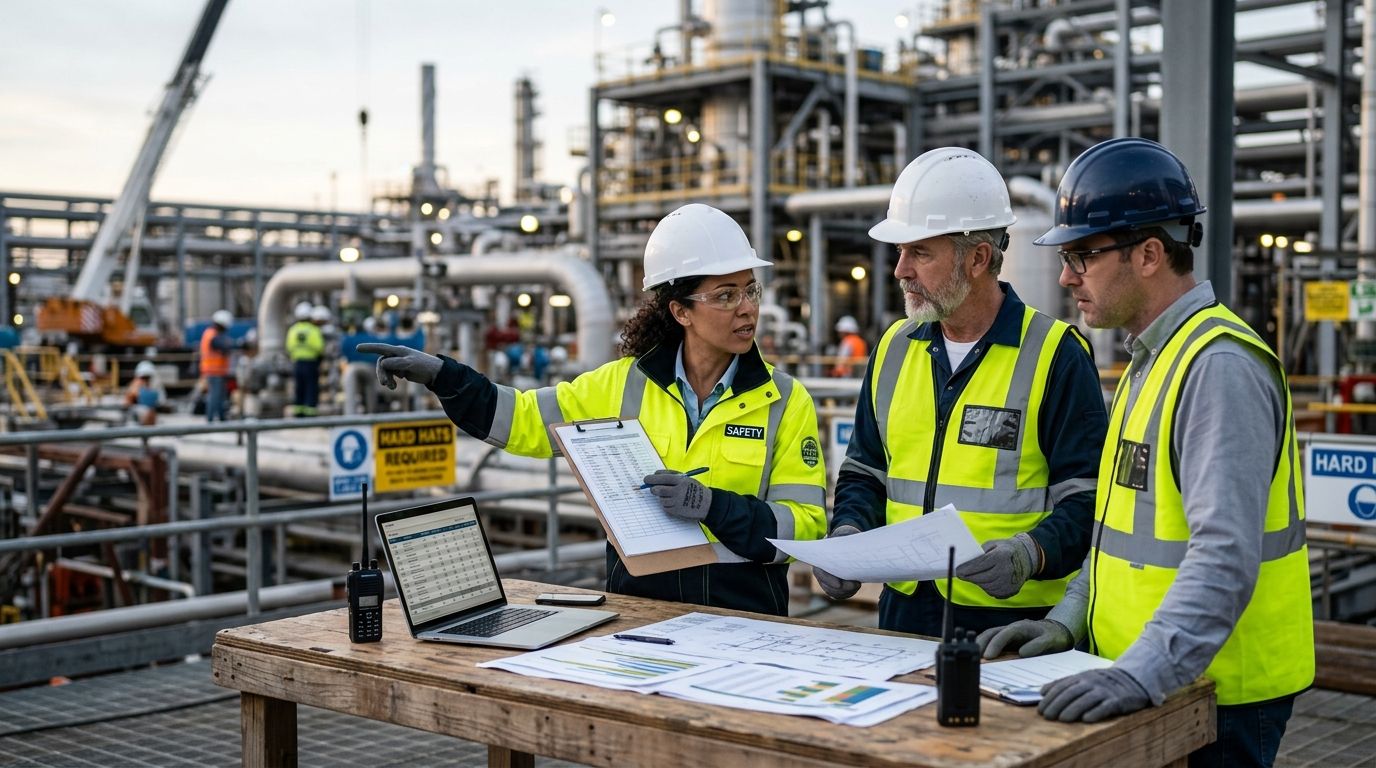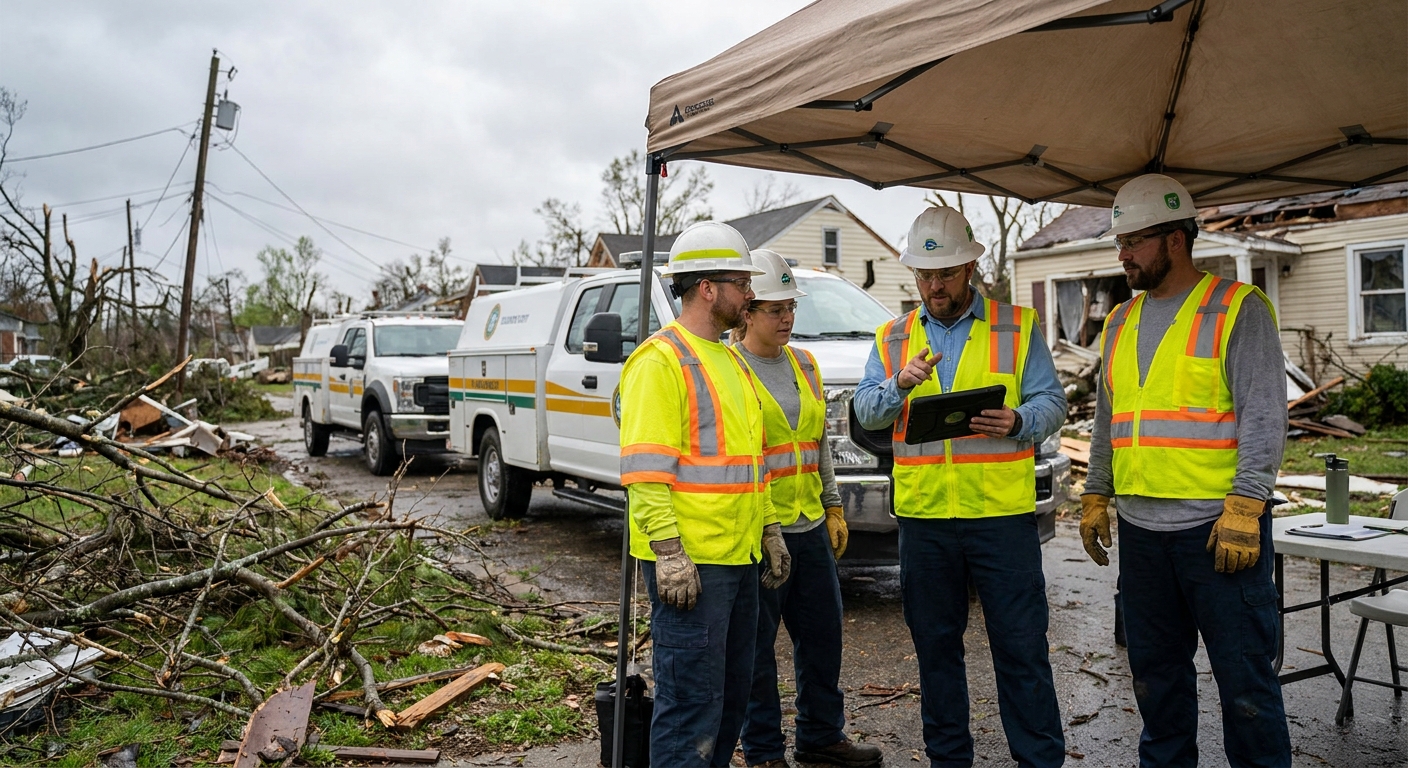
When a hurricane knocks out a refinery's power or a flood shuts down a wastewater plant, the first call isn't for more labor — it's for people who can keep that labor safe. Disaster and storm recovery safety staffing puts vetted EHS professionals (fire watch, confined space attendants, HAZWOPER-certified techs) on site fast, so cleanup and rebuild work doesn't turn into the next incident report.
- Fire watch staffing is the non-negotiable pick for any hot work during 2026 storm cleanup — Buy.
- Confined space attendant staffing covers flooded vaults and lift stations under 29 CFR 1910.146 — Buy.
- Environmental remediation safety staffing handles hazmat and contaminated debris with 40-hour HAZWOPER crews — Buy.
- General labor agencies without EHS vetting are the top mistake employers make during disaster and storm recovery safety staffing decisions — Skip.
- ResponsAble Staffing sources safety professionals nationwide for construction, oil and gas, and manufacturing recovery projects.
Why this matters
Storm recovery work compresses months of normal project risk into days. Downed lines, flooded confined spaces, hot work on damaged equipment, and hazmat exposure from ruptured tanks all show up on the same site, often in the same week.
OSHA doesn't relax enforcement during declared disasters — it publishes specific hazard alerts for hurricane and flood response work every storm season. A contractor who staffs recovery crews with unqualified labor is exposed to the same citations, and the same liability, as one running a normal job site with no safety oversight at all.
That's the gap disaster and storm recovery safety staffing exists to close: certified people, ready to deploy, who already know the standards that apply to debris removal, generator hot work, and hazmat cleanup.
Who this is for
This guide is for construction contractors, utility operators, environmental remediation firms, and industrial plant managers who get the call after a hurricane, flood, wildfire, or ice storm and need EHS coverage on a compressed timeline — not a six-week hiring cycle. If your project involves hot work, confined spaces, or contaminated debris in the first 30 days after a disaster declaration, this is your buyer profile.
What to look for in disaster and storm recovery safety staffing
Deployment speed when the declaration hits
A staffing partner that can't move faster than your own HR department isn't a disaster recovery resource. Ask how quickly a fire watch or confined space attendant can actually be on a truck heading to your site once you call.
Verified credentials, not resumes
During a recovery push, it's tempting to take whoever's available. A vetted safety professional carries current HAZWOPER, confined space, or fire watch cards you can check before they set foot on your site — not a claim you take on faith.
Surge capacity across multiple sites
Storm damage rarely hits one location. A partner who can staff three job sites across two states in the same week matters more during recovery than during routine turnaround work.
Experience with debris, flood, and hazmat exposure protocols
Recovery sites mix electrical hazards, standing water, and chemical residue in ways a standard manufacturing plant never sees. Look for professionals who've worked environmental remediation or refinery turnaround, not just general construction safety.
Flexible engagement models
Disaster response doesn't fit neatly into temp, project-based, or direct hire buckets — you may need all three inside one 90-day window. A partner locked into one model will slow you down exactly when speed matters most.
Top picks for storm and disaster recovery roles
Fire watch staffing for hot work permits — the non-negotiable pick. Any welding, cutting, or grinding during equipment repair after a storm requires a dedicated fire watch under NFPA 51B, and crews commonly run 12-hour shifts during the first weeks of recovery when hot work backs up fast. Fire watch staffing for hot work permits covers this exact scenario. Buy.
Confined space attendant staffing — the compliance backstop. Flooded vaults, lift stations, and storage tanks turn into permit-required confined spaces under 29 CFR 1910.146 the moment water gets in, and OSHA requires a dedicated attendant for every entry team, no exceptions. Confined space attendant staffing for industrial sites fills this role for storm-damaged infrastructure. Buy.
First aid and EMT staffing for job sites — the safety net you can't skip. Recovery crews work longer hours in worse conditions than a normal build, and having certified first aid or EMT coverage on-site cuts the response time on the injuries that spike during debris and demolition work. Buy.
Environmental remediation safety staffing — the cleanup specialist. Contaminated soil, ruptured tanks, and chemical residue from flooding require crews with 40-hour HAZWOPER certification, not general laborers in Tyvek suits. Safety staffing for environmental remediation projects is built for this exact exposure profile. Buy.
Water and wastewater treatment safety staffing — the utility lifeline. Treatment plants are among the first systems to fail in a major flood, and getting them back online safely requires attendants and technicians who understand both confined space entry and chemical handling on the same shift. Consider — bring this in once the site is stabilized, not during the first 48 hours.
“A safety crew that shows up without valid HAZWOPER cards is a liability, not a solution.”
What to avoid
- General labor agencies with no EHS vetting. They can fill a headcount fast, but they can't verify a HAZWOPER card or a confined space certification, and that gap becomes your liability the moment OSHA shows up.
- Expired refresher training. A 24-hour HAZWOPER refresher that lapsed mid-deployment doesn't count, even if the original 40-hour certification looks current on paper. Check dates before the crew loads the truck.
- Single-region staffing partners. A partner who only covers one metro area can't follow a storm's damage path across state lines, and disaster recovery work rarely stays inside one jurisdiction.
Verdict comparison
| Role | Certification required | Deployment window | Verdict |
|---|---|---|---|
| Fire watch attendant | NFPA 51B hot work training | Days 1-14 | Buy |
| Confined space attendant | 29 CFR 1910.146 | Days 1-14 | Buy |
| First aid / EMT | Current EMT or first aid card | Days 1-30 | Buy |
| Environmental remediation tech | 40-hour HAZWOPER | Days 1-30 | Buy |
| Water/wastewater safety staff | Confined space + chemical handling | Days 15-45 | Consider |
Need crews on site this week?
Talk through your recovery timeline with ResponsAble Staffing.
FAQ
What is disaster and storm recovery safety staffing?
It's the placement of vetted EHS professionals — fire watch attendants, confined space attendants, HAZWOPER-certified techs — on cleanup and rebuild sites after hurricanes, floods, or other disasters. It covers temporary, project-based, and direct hire arrangements depending on how long the recovery runs.
How fast can a safety staffing agency deploy after a hurricane?
Deployment speed depends on the role and region, but agencies with a national bench can typically move certified staff to a declared disaster zone within days, not weeks. Ask any staffing partner directly how they source across state lines before you sign.
What certifications should storm recovery safety staff carry?
At minimum, expect 40-hour HAZWOPER for hazmat and remediation work, confined space attendant training under 29 CFR 1910.146 for flooded vaults and tanks, and current fire watch training under NFPA 51B for any hot work. Certifications should be current, not expired mid-deployment.
Is fire watch staffing required during storm cleanup?
Yes, whenever hot work — welding, cutting, or grinding — happens during equipment repair after a storm. NFPA 51B requires a dedicated fire watch attendant for the duration of that work and for a defined period after it stops.
Do disaster recovery crews need HAZWOPER training?
Any crew handling contaminated soil, ruptured tanks, or chemical residue from flooding needs 40-hour HAZWOPER certification. General labor without that training shouldn't be assigned to hazmat-adjacent recovery work.
Can safety staffing agencies handle multi-state deployments?
A national safety staffing agency can, but a regional one usually can't follow a storm's damage path across state lines. Confirm coverage area before a disaster hits, not after.
What's the difference between temp and direct hire safety staffing for disaster recovery?
Temp staffing covers the immediate cleanup window, typically the first 30 to 90 days, while direct hire fits ongoing utility or plant roles that outlast the initial recovery push. Most disaster response projects use both models in sequence.
How much does disaster recovery safety staffing cost?
Cost varies by role, certification level, and how long the deployment runs, with hazmat and confined space roles typically priced higher than general first aid coverage. Get a direct quote based on your site conditions rather than relying on a flat industry rate.
One last thing
The biggest mistake employers make in 2026 storm season isn't underestimating the damage — it's underestimating how fast expired certifications turn a recovery crew into a liability. Check the card dates before the truck leaves the yard, every single time.
ResponsAble Staffing places vetted safety professionals for construction, oil and gas, and manufacturing recovery projects nationwide, matched to the certifications your site actually needs. The right crew, chosen with integrity, is still the fastest path back to normal operations.