Cell and gene therapy manufacturing runs on cleanrooms, cryogenic storage, and biosafety protocols that most industrial staffing shops have never touched — get safety staffing for cell and gene therapy manufacturing wrong and you stall a clinical batch or hand an FDA investigator a deviation to write up.
- EHS recruiting for pharmaceutical manufacturing plants is the safe pick for GMP-trained generalists who already speak 21 CFR Part 211 — Buy.
- Confined space attendant staffing matters for bioreactor and buffer tank entry under 29 CFR 1910.146 — Buy.
- Direct hire for industrial hygienists pays off once a plant clears Phase II and needs someone permanent watching air quality — Consider.
- Generalist staffing shops that skip pre-placement credential verification create GMP deviation risk — Skip.
- Safety staffing for cell and gene therapy manufacturing in 2026 hinges on cGMP fluency, not just OSHA cards.
Why this matters
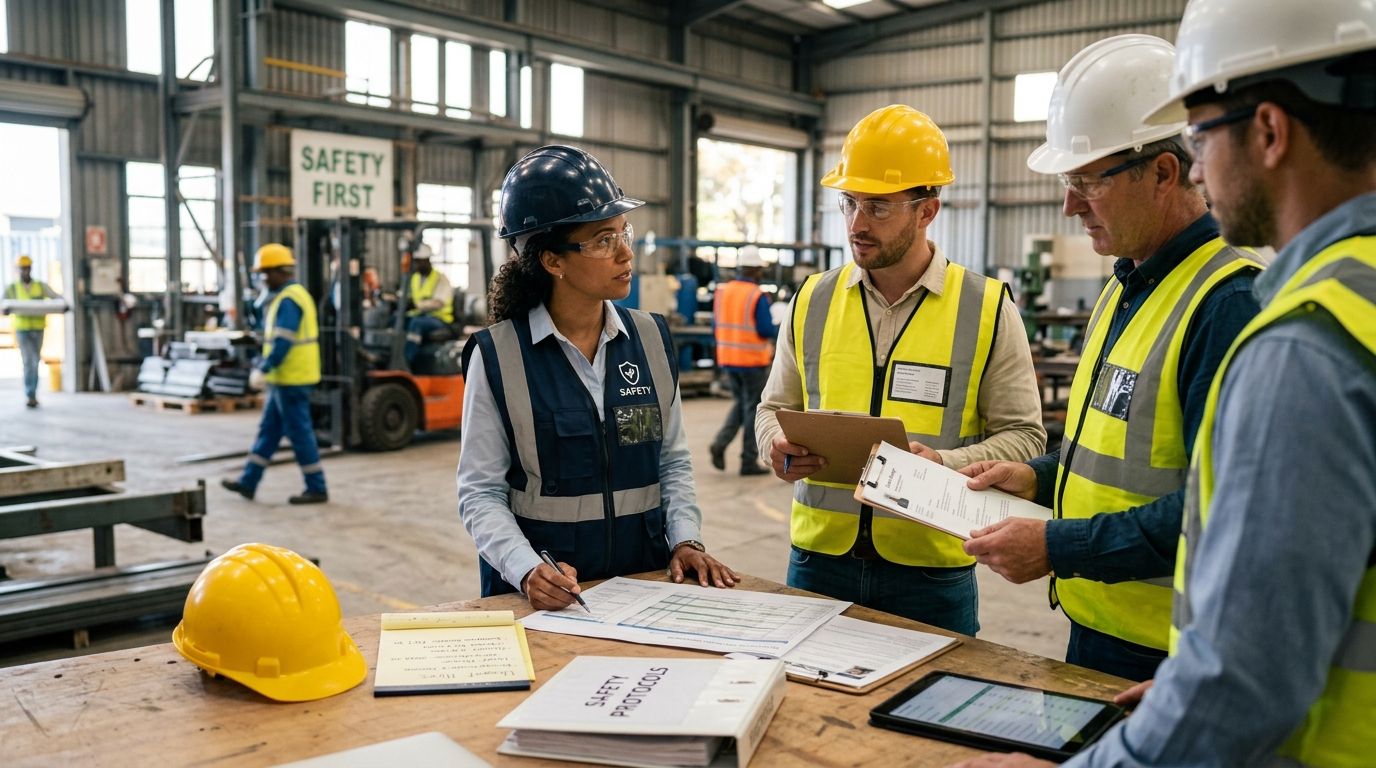
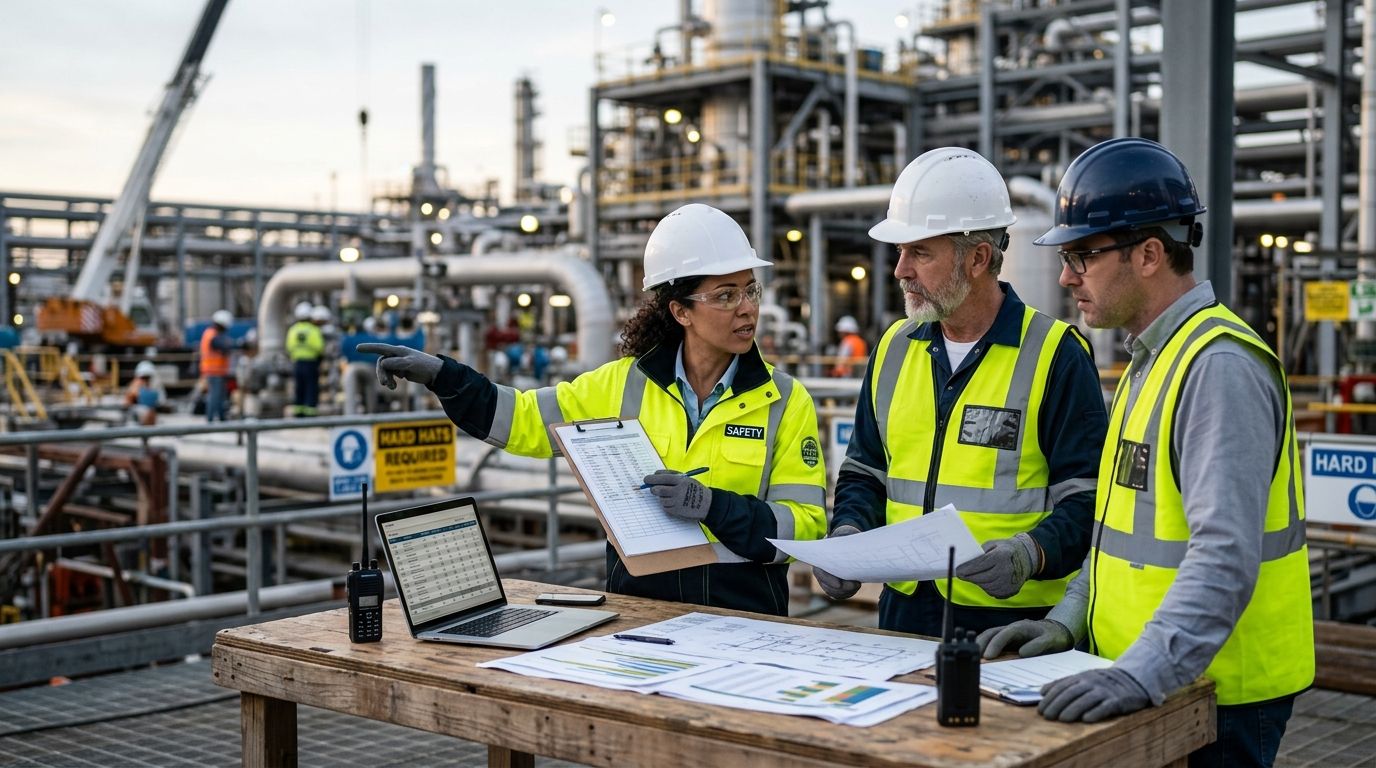
Cell and gene therapy plants sit at the intersection of biosafety, pharmaceutical GMP, and industrial hazard controls. A safety professional who's spent a career on a construction site knows fall protection and lockout-tagout, but has likely never gowned into an ISO Class 7 suite or filled out a batch record.
The ResponsAble Staffing roster is built for exactly this gap — vetted safety and EHS professionals who can walk onto a cGMP floor and function on day one instead of week three. For a facility running clinical batches on a fixed timeline, that difference is the whole game.
Who this is for
This guide is for plant managers, EHS directors, and operations leads at biotechs, CDMOs, and commercial-stage cell and gene therapy manufacturers who need vetted safety staff — not a generalist temp pool — covering cleanroom operations, confined space entry, and biosafety compliance in 2026.
What to look for in safety staffing for cell and gene therapy manufacturing
cGMP and cleanroom experience
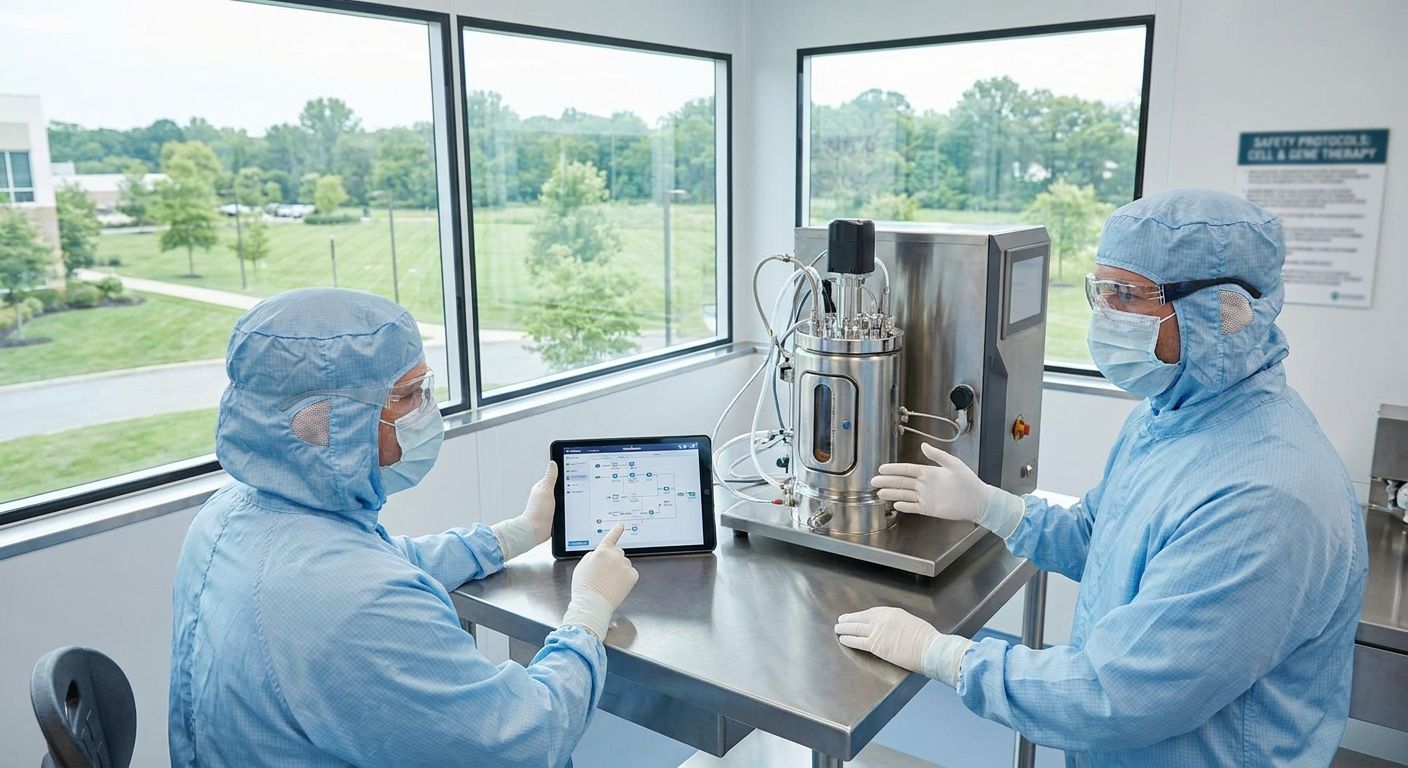
A safety professional who has never worked a GMP floor doesn't know why a gowning breach gets logged as a deviation instead of a shrug. Look for candidates who understand ISO Class 5 through Class 8 cleanroom classifications and can read a batch record without a tutorial.
Confined space and cryogenic handling competency
Bioreactor tanks, buffer vessels, and liquid nitrogen cryo storage vaults are permit-required confined spaces under 29 CFR 1910.146. A candidate with only a generic OSHA 10 card hasn't been trained for atmospheric monitoring inside a stainless tank or a cryo dewar room.
Credential verification speed
Respirator fit testing under 1910.134 and bloodborne pathogen training under 1910.1030 have to be verified before someone steps onto a GMP floor, not discovered missing during a pre-approval inspection. An agency that checks paperwork after placement is an agency that hands you a finding.
Surge and campaign manufacturing flexibility
Clinical batch schedules and tech transfer waves don't ramp like a construction job. A facility can go from a skeleton EHS crew to needing three additional confined space attendants inside two weeks when a new vector campaign starts.
Direct hire vs. contract flexibility
A plant moving from Phase I into commercial production needs a safety director who stays and builds institutional knowledge — not a contractor who rotates out mid-audit. Match the engagement type to where the plant actually is in its lifecycle.
Documentation and audit readiness
FDA pre-approval inspections and ISO 45001 audits both demand an unbroken paper trail on every safety professional who touched the floor. If the staffing partner can't produce training records on request, that's a finding waiting to happen.
Top staffing priorities for cell and gene therapy plants
The safe pick: EHS recruiting for pharmaceutical manufacturing plants This covers GMP-trained EHS generalists who already understand 21 CFR Part 211 documentation and cleanroom gowning discipline. It's the closest match to what a CGT floor actually needs day one. EHS recruiting for pharmaceutical manufacturing plants fills the generalist role fastest with the least translation needed between hazard classes. Verdict: Buy.
The tank-and-vessel pick: confined space attendant staffing Bioreactor cleaning, buffer tank entry, and cryo vault maintenance all fall under 1910.146 permit-space rules, and a generic attendant hasn't trained for that atmosphere. Confined space attendant staffing for industrial sites covers entry attendants specifically trained for permit-required spaces. Verdict: Buy.
The long-game pick: direct hire industrial hygienists An industrial hygienist who monitors biosafety cabinet airflow, cleanroom particulate counts, and the respiratory protection program is worth putting on payroll once a plant clears Phase II and starts thinking about commercial scale. Direct hire recruiting for industrial hygienists builds that permanent bench. Verdict: Consider for commercial-track facilities, Skip if you're still six months from an IND.
The wildcard pick: seasonal surge staffing Campaign manufacturing runs and tech transfer batches create staffing spikes that look nothing like a normal hiring curve — you need bodies for eight weeks, not eight months. Seasonal safety staffing for manufacturing surge periods is built for exactly that shape of demand. Verdict: Consider.
The leadership pick: direct hire safety managers A commercial-stage plant running around-the-clock production needs a safety manager who owns the program long term, not a contractor who leaves mid-quarter. Direct hire recruiting for safety managers matches that need for facilities past the clinical-stage churn. Verdict: Consider for commercial plants, Skip for early clinical-stage sites still contracting the role out.
What to avoid
- Generalist industrial staffing shops that treat cleanroom gowning like a hard hat requirement — they'll place someone who's technically OSHA-certified and functionally useless on a GMP floor.
- Post-placement credential checks. If an agency verifies respirator fit testing or biosafety training after someone's already on shift, that's a deviation you'll be writing up yourself.
- Confined space attendants trained only on OSHA 10 or 30. General awareness training is not the same as permit-required confined space training under 1910.146, and an auditor will know the difference immediately.
Staff your CGT safety program right
Vetted EHS pros who already know GMP floors and confined space rules.
Verdict comparison
| Solution | Best For | Engagement Type | Verdict |
|---|---|---|---|
| EHS recruiting for pharma manufacturing plants | Cleanroom + GMP documentation | Contract or direct hire | Buy |
| Confined space attendant staffing | Bioreactor/tank entry | Contract, per shift | Buy |
| Direct hire industrial hygienists | Air monitoring, respiratory programs | Direct hire | Consider |
| Seasonal surge staffing | Campaign manufacturing spikes | Temporary/project | Consider |
| Direct hire safety managers | Commercial-stage leadership | Direct hire | Consider |
FAQ
What is safety staffing for cell and gene therapy manufacturing?
It's the practice of placing EHS and safety professionals who understand cGMP, cleanroom protocols, and biosafety rules into cell and gene therapy manufacturing facilities. Generalist industrial safety training doesn't cover cleanroom gowning discipline or biosafety cabinet monitoring, so this staffing needs a specialized pool.
Do EHS staff for cell and gene therapy plants need cGMP experience?
Yes, cGMP fluency is close to mandatory for any EHS role touching the manufacturing floor. Someone who's never worked under 21 CFR Part 211 documentation requirements will slow down every audit and every batch record review.
Is direct hire or contract staffing better for a CGT safety manager?
Direct hire works best once a facility is past clinical-stage volatility and running commercial or late-stage production. Contract staffing fits earlier-stage sites still scaling headcount around unpredictable batch schedules in 2026.
What certifications should a confined space attendant have at a biomanufacturing site?
They need training specific to permit-required confined spaces under 29 CFR 1910.146, not just a general OSHA 10 or 30 card. Bioreactor and cryo vault entries involve atmospheric hazards that generic confined space training doesn't fully cover.
How fast can a staffing agency verify credentials for a GMP floor?
Credential verification, including respirator fit testing under 1910.134 and bloodborne pathogen training under 1910.1030, should happen before placement, not after. Any agency that verifies paperwork post-placement is introducing GMP deviation risk into your facility.
Do cell and gene therapy plants need a biosafety officer separate from an EHS generalist?
Larger or commercial-stage facilities usually do, especially where raw materials go through gamma irradiation or where viral vector handling requires dedicated biosafety oversight. Smaller clinical-stage sites often combine the roles into one EHS generalist for cost reasons.
What's the difference between EHS staffing for pharma manufacturing and general industrial staffing?
Pharma-focused EHS staffing requires cGMP documentation fluency, cleanroom protocol knowledge, and biosafety training that general industrial safety staffing simply doesn't screen for. Placing a construction-background safety officer on a CGT floor without that translation almost always creates friction with quality and compliance teams.
How much does safety staffing cost for a cell and gene therapy facility?
Cost depends on role, engagement length, and region, and varies enough between contract, project, and direct hire arrangements that a blanket number isn't useful. Get a rate breakdown by role type before committing to a staffing partner rather than relying on a single quoted figure.
One last thing
Most generalist safety staffing shops never think to ask whether a cell and gene therapy facility needs radiation safety input — but plenty do, because raw materials and single-use components often get gamma-irradiated before they enter the cleanroom. That's a certification gap that shows up nowhere on a standard EHS resume, and it's exactly the kind of detail that separates a staffing partner who understands biomanufacturing from one who's just relabeling construction hires. Screen for it before you sign a contract, not after an audit flags it.