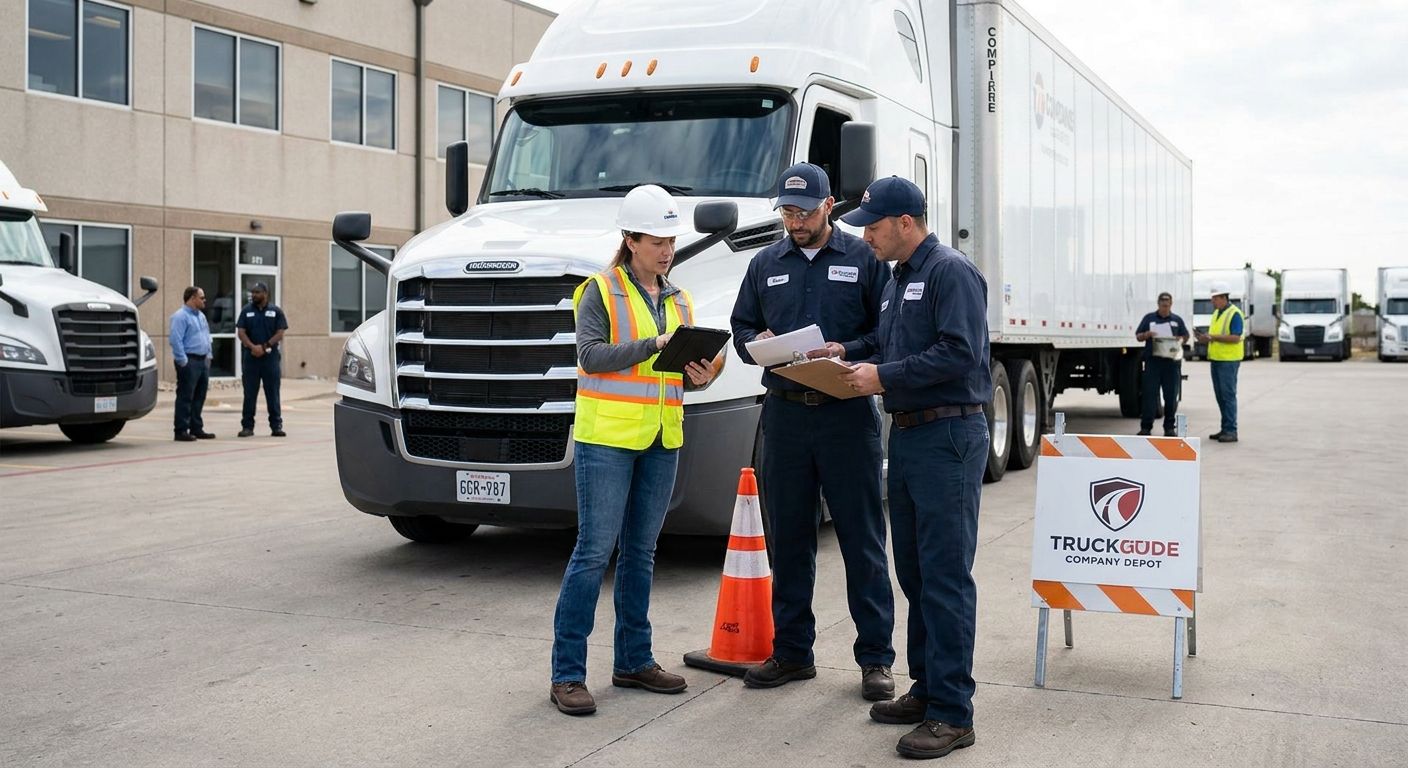
Fleet safety and DOT compliance work does not tolerate gaps. A missing driver qualification file, an expired MVR pull, or an unfilled safety director seat during a compliance review can turn into a Conditional or Unsatisfactory FMCSA rating fast. ResponsAble Staffing places the safety and compliance professionals who keep fleets audit-ready, and this guide breaks down what to look for when you're building that bench in 2026.
- Safety staffing for DOT compliance programs works best when the agency vets FMCSA-specific experience, not just general OSHA credentials.
- Direct-hire safety directors anchor long-term compliance programs; contract auditors cover audit-season spikes without headcount risk.
- ResponsAble Staffing verifies certifications and driver qualification file history before a candidate ever reaches your desk - Buy for compliance-critical roles.
- Skip agencies that can't explain how they screen for FMCSA compliance review experience specifically.
Why this matters
DOT compliance isn't a side skill bolted onto general safety knowledge. A fleet safety manager who's never sat through an FMCSA compliance review doesn't know what auditors ask for first, and that gap shows up during the review, not before it. ResponsAble Staffing built its safety staffing model around industries where the stakes are exactly this high - construction, oil and gas, manufacturing, and fleet operations where one missed hours-of-service violation cascades into a fine, a suspended contract, or worse.
The cost of getting this wrong isn't abstract. Driver qualification files must be retained for three years after a driver leaves under 49 CFR 391.51, and the current FMCSA minimum random testing rate sits at 50% for drugs and 10% for alcohol. Miss those thresholds because your compliance seat sat open for six weeks, and the fine lands on you, not the recruiter who left the seat empty.
Who this is for
This guide is for fleet safety managers, VP of Safety roles at trucking and logistics companies, and construction or industrial employers running DOT-regulated vehicles who need to staff compliance seats - safety directors, compliance managers, auditors, and DQ file administrators - without a six-week search cycle eating into audit prep time.
What to look for in safety staffing for DOT compliance programs
FMCSA-specific vetting, not general OSHA credentials
A candidate with a strong OSHA 30 background isn't automatically qualified to manage hours-of-service tracking or CSA BASIC scores. Ask any staffing partner how they screen for FMCSA compliance review experience specifically - if the answer is vague, that's a signal.
Direct hire vs. contract flexibility
Compliance programs need both a permanent anchor and surge capacity. A direct-hire safety director owns the program year-round; contract auditors and DQ file specialists absorb the workload spike before a scheduled review. Agencies that only offer one model will force you into the wrong shape.
Certification depth beyond the resume
Credentials worth checking include NRCME certification for medical examiners handling DOT physicals, CDS or CSP designations for safety directors, and documented experience closing findings on a prior compliance review. ResponsAble Staffing verifies these before a candidate ever reaches your desk.
Speed to fill during audit season
FMCSA compliance reviews can be scheduled with as little as a few weeks' notice. A staffing partner that takes a month to source a qualified compliance manager puts your review at risk before it starts.
Multi-state coverage for distributed fleets
Fleets running lanes across state lines need staffing partners who understand that DOT rules apply uniformly but state-level wage and workers' comp rules don't. A single-market recruiter can't cover a national fleet operation.
Top picks for DOT compliance staffing roles
Direct-hire safety director - the long-term anchor. This is the person who owns your FMCSA compliance calendar year-round, from DQ file audits to CSA BASIC monitoring across all seven categories. Direct-hire recruiting for safety directors fills this seat with someone who's already run a compliance review, not someone learning on your dime. Buy if you don't have a permanent safety director in place going into 2026.
Contract compliance auditors - the audit-season safety net. Bring in a contract auditor 60-90 days before a scheduled FMCSA review to close DQ file gaps, verify MVR pulls, and stress-test your drug and alcohol testing records against the 50%/10% minimums. Safety staffing for safety auditors and inspectors staffs exactly this role on a project basis. Buy for any fleet with a review date already on the calendar.
Environmental compliance manager - the regulatory backstop. Fleets hauling hazardous materials carry EPA and FMCSA obligations that overlap but don't mirror each other. Direct-hire recruiting for environmental compliance managers places someone who can hold both sets of requirements without treating them as one job. Consider this seat if your fleet handles regulated cargo; skip it if your operation is dry-van only.
Workers' compensation safety specialist - the claims-cost fix. Fleet incidents drive workers' comp costs up fast when nobody's tracking near-misses before they become claims. A dedicated specialist role reduces that exposure over a full policy year, though it's a lower priority than the compliance-facing seats above. Consider once your core compliance roles are filled.
What to avoid
- A generalist safety recruiter with no FMCSA track record. They'll place a candidate who's strong on OSHA but has never touched a CSA BASIC score, and you won't find out until the review.
- Contract-only staffing when you need a permanent compliance owner. Rotating temps can't build institutional knowledge of your DQ file history across multiple review cycles.
- Agencies that can't verify certifications before placement. A DOT physical performed by an examiner who isn't NRCME-certified doesn't count, and that's the kind of detail that surfaces during a compliance review, not before.
Verdict comparison
| Role type | Engagement model | Best for | Verdict |
|---|---|---|---|
| Direct-hire safety director | Permanent | Year-round FMCSA program ownership | Buy |
| Contract compliance auditor | Project-based | Pre-review gap closure | Buy |
| Environmental compliance manager | Direct hire | Regulated-cargo fleets | Consider |
| Workers' comp safety specialist | Direct hire or contract | Claims-cost reduction | Consider |
| Generalist safety recruiter (no FMCSA history) | N/A | Nothing DOT-specific | Skip |
Build your DOT compliance bench
Contract-to-hire options for compliance seats you need filled before your next review.
FAQ
What is safety staffing for DOT compliance programs?
It's the practice of sourcing vetted safety and compliance professionals - safety directors, auditors, and environmental compliance managers - specifically for FMCSA-regulated fleet operations. ResponsAble Staffing screens candidates for hands-on compliance review experience, not just general safety credentials.
How much does DOT compliance staffing cost in 2026?
Cost depends on whether the role is direct hire, contract, or contract-to-hire, and on the seniority of the position - a direct-hire safety director carries a different rate structure than a project-based auditor. Get a rate quote based on your specific fleet size and review timeline.
Is a direct hire better than a contract safety auditor for compliance?
Direct hire wins for year-round program ownership; contract auditors win for pre-review surge work. Most fleets running a compliance program need one of each, not one instead of the other.
How fast can a staffing agency fill a DOT compliance seat before an audit?
Timelines vary by role and location, but agencies with an existing bench of vetted compliance candidates can move faster than firms starting a search from scratch. Ask any prospective partner for their average time-to-fill on comparable roles before you sign anything.
What certifications should a DOT compliance hire have?
Look for NRCME certification for anyone handling DOT physicals, and CDS or CSP designations for safety director roles. Documented experience closing findings on a prior FMCSA compliance review matters as much as the certification itself.
Do DOT compliance staffing needs differ by state?
FMCSA rules apply uniformly across state lines, but workers' comp and wage requirements don't. Multi-state fleets need a staffing partner who understands both layers, not just the federal one.
How long should driver qualification files be retained?
Under 49 CFR 391.51, driver qualification files must be retained for three years after a driver's employment ends. A compliance manager or auditor unfamiliar with this rule is a red flag during vetting.
One last thing
The detail most fleets miss going into 2026: the 50% drug testing and 10% alcohol testing minimums are annual rates, not per-review checkpoints. A fleet that passes a compliance review in January can still fall short of the annual minimum by December if the safety seat sits open mid-year. Staff the compliance role before the gap opens, not after the review notice arrives.